
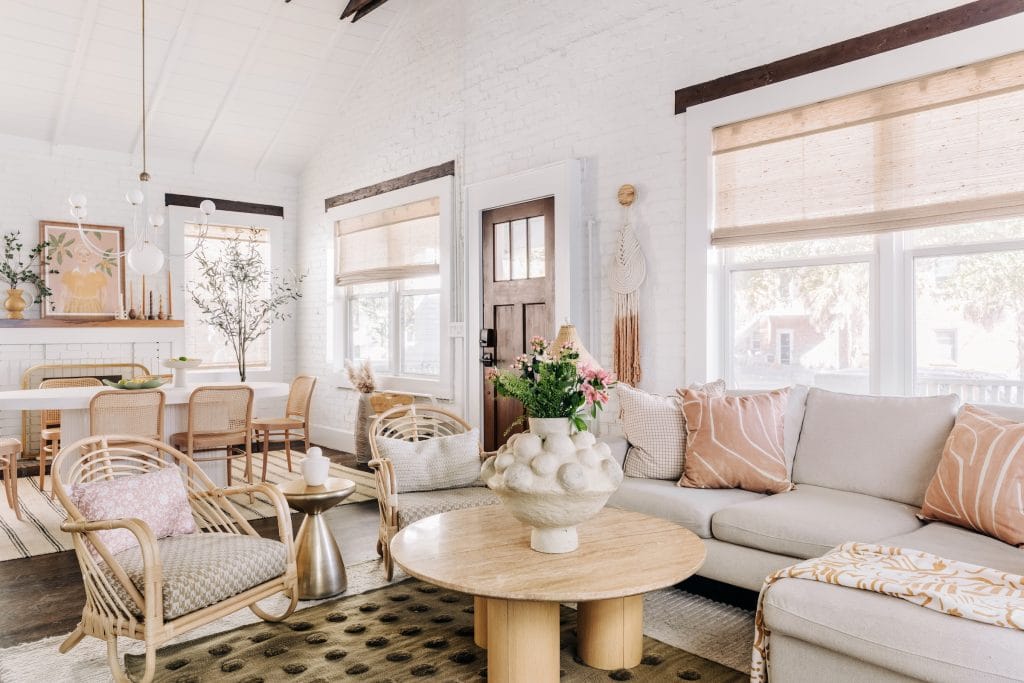

The bohemian design aesthetic is deeply rooted in a lifestyle of free-spirited expression, global travel, and artistic abandonment. Unlike rigid interior design genres that demand absolute symmetry and strict color palettes, bohemian styling welcomes the unexpected. It thrives on collected-over-time charm, rich textures, earthy warmth, and eclectic pairings that reflect your unique personality. Creating a cozy bohemian home is not about buying a pre-packaged suite of matching furniture from a showroom. Instead, it is an intentional curation of pieces that tell a story, invite relaxation, and make your living space feel lived-in and deeply welcoming.
Understanding the Foundation of Bohemian Furniture
To build a cozy bohemian atmosphere, you must first understand the core elements that define boho furniture selection. The style leans heavily into natural, organic, and artisanal materials that ground the space while adding tactile depth.
-
Natural Materials: Rattan, bamboo, reclaimed wood, jute, and cane form the structural backbone of boho furniture. These materials bring the raw textures of the outdoors inside.
-
Low-Profile Living: Traditional boho styling often incorporates seating that sits lower to the floor, encouraging a relaxed, grounded posture reminiscent of nomadic lounging spaces.
-
Mixed Eras and Styles: Mid-century modern credenzas can sit comfortably next to distressed antique armoires or hand-carved Indian daybeds without looking out of place.
-
Patina and Imperfection: Pristine, glossy finishes are generally avoided. Scuffed wood, weathered metals, and hand-woven fabrics celebrate the beauty of aging and human craftsmanship.
Selecting Key Furniture Pieces for Every Room
Every room requires a careful balance of statement furniture and functional foundations. When curating your space, focus on versatile pieces that maximize both comfort and visual interest.
The Living Room: Creating a Conversation Pit
The living room serves as the heart of the home and the primary canvas for your bohemian expression. Start with a comfortable, neutral sofa upholstered in linen, cotton, or worn leather. Avoid stark white or ultra-modern synthetic fabrics. Instead, opt for warm beige, soft gray, or deep olive tones that can handle an abundance of patterned textiles.
Flank your sofa with accent seating made of woven rattan or bent bamboo. A vintage peacock chair or a butterfly chair with a leather sling instantly elevates the eclectic vibe. For the center table, ditch the traditional glass-and-chrome coffee table in favor of a low, reclaimed wood block or an intricately carved Indian chowki table. This provides a tactile surface for books, candles, and ceramics while keeping the sightlines open and casual.
The Bedroom: A Sanctuary of Rest and Texture
Your bedroom should feel like a secluded sanctuary designed for deep rest. The bed is the undisputed focal point, so anchor it with a statement headboard. A tall, arched rattan headboard or a wrought iron frame with intricate scrollwork sets the right tone.
Complement the bed with mismatched bedside tables. You might pair a rustic wooden tree-stump stool on one side with a mid-century tapered-leg nightstand on the other. Incorporate a vintage wooden storage chest at the foot of the bed to hold extra quilts and pillows while serving as a bench for putting on shoes. Complete the room with a hanging rattan egg chair in a quiet corner to create a dedicated reading nook.
The Dining Area: Gathering in Eclectic Style
Bohemian dining spaces reject formal stiffness in favor of communal warmth and relaxed hospitality. Begin with a solid wood dining table featuring visible grain, knots, and natural imperfections. Avoid matching dining chairs entirely. A truly bohemian dining set features a mix of vintage wooden chairs, modern wire-frame seats, and woven rush-seat chairs pulled up to the same table.
If space permits, add a distressed wooden sideboard or a glass-front apothecary cabinet to display your collection of ceramics, glassware, and travel souvenirs. This keeps functional items accessible while adding vertical storage and character to the walls.
Mastering Textures, Layers, and Soft Furnishings
Furniture provides the architectural skeleton of your room, but textiles and soft furnishings breathe life and coziness into the space. Without proper layering, even the most beautiful bohemian furniture can feel cold or disjointed.
-
Layered Rugs: Combine a large neutral jute or sisal base rug with a smaller, colorful vintage Persian or Moroccan shag rug layered diagonally on top.
-
Abundant Pillows and Throws: Pile sofas and chairs high with an assortment of velvet, embroidered, macrame, and tasseled throw pillows. Drape chunky knit blankets or kantha quilts over the backs of furniture.
-
Textured Wall Hangings: Utilize woven tapestries, macrame plant hangers, and large-scale textile art to soften hard walls and improve acoustics.
-
Window Treatments: Hang lightweight, sheer linen or cotton curtains that billow softly in the breeze, filtering natural sunlight into a warm, diffused glow.
Incorporating Greenery and Natural Lighting
A bohemian home is incomplete without the presence of living plants. Greenery acts as a natural bridge between your indoor furniture and the organic world outside, instantly boosting the cozy quotient of any room.
Hang trailing plants like pothos and philodendrons from macrame hangers attached to the ceiling. Place large potted monsteras or fiddle-leaf figs in empty corners beside wooden bookshelves or armchairs. For lighting, ditch harsh overhead fixtures in favor of warm, layered illumination. Use rattan pendant lights, woven bamboo floor lamps, and an abundance of candles clustered on wooden trays and brass lanterns to cast a soft, inviting glow across your furniture arrangements.
Frequently Asked Questions
Can I achieve a bohemian look if my base furniture is modern and minimalist?
Yes, modern minimalist furniture provides a clean architectural backdrop that actually prevents a bohemian room from looking cluttered. You can easily layer bohemian warmth over modern foundations by adding textured rugs, patterned throw pillows, vintage wooden accents, and an abundance of indoor plants.
What are the best wood tones for bohemian furniture?
Bohemian style embraces variety rather than strict uniformity. You can mix light oak, warm teak, dark walnut, and distressed painted woods within the same room. The key is to distribute the different wood tones evenly throughout the space so the room feels intentional rather than accidental.
How do I keep a bohemian room from looking cluttered or messy?
The secret to curated bohemian styling is intentional editing and providing hidden storage. Use woven baskets, vintage trunks, and closed sideboards to corral smaller items, books, and everyday clutter while keeping your favorite statement decor pieces artfully displayed on open shelves and surfaces.
Is bohemian furniture expensive to source?
Bohemian style is one of the most budget-friendly design aesthetics because it relies heavily on secondhand finds, thrift stores, flea markets, and DIY elements. You do not need to buy expensive designer furniture; instead, hunting for unique vintage pieces, refinishing old wooden tables, and utilizing natural materials keeps costs low while maximizing character.
What color palette works best for bohemian furniture and decor?
While traditional bohemian design often features vibrant jewel tones like ruby red, turquoise, and mustard yellow, you can also create a cozy boho atmosphere using a neutral earth-tone palette. Warm terracotta, sandy beige, olive green, creamy ivory, and rich chocolate browns create a serene, grounded, and modern take on the classic bohemian aesthetic.
How do I incorporate lighting to enhance bohemian furniture?
Focus on warm, ambient lighting sources rather than bright, direct overhead bulbs. Use woven rattan or bamboo shade fixtures, paper lanterns, floor lamps with amber glass, and plenty of pillar candles placed on wooden trays to cast soft, golden shadows that highlight the natural textures of your furniture.
Comments are closed.