

Water is the lifeblood of any household, flowing silently through walls and appliances to support daily chores, cooking, cleaning, and hygiene. However, the water coming out of your taps is rarely pure water. Across large regions of the country, municipal supplies and private wells draw from mineral rich underground sources, creating what is commonly known as hard water. While hard water is generally safe to drink and even provides some dietary minerals, it acts as a slow, persistent enemy to your home infrastructure. Over time, the dissolved minerals in hard water wreak havoc on plumbing systems, shorten the lifespan of expensive appliances, and create endless cleaning frustration. Recognizing the hidden toll of hard water is the first step toward safeguarding your home investment.
What Is Hard Water and Why Does It Happen?
Water is a universal solvent, meaning it easily absorbs and dissolves substances it encounters along its journey. As rainwater filters through soil and percolates through underground rock formations, particularly limestone, chalk, and gypsum, it picks up high concentrations of dissolved minerals. The primary culprits behind water hardness are calcium and magnesium ions.
Water hardness is measured in grains per gallon or milligrams per liter. When water contains low levels of these minerals, it is classified as soft. When mineral concentrations climb past a specific threshold, the water becomes moderately hard, hard, or very hard. Geological surveys indicate that a vast majority of homes rely on hard water sources. Because these minerals remain completely dissolved in clear water, homeowners often remain completely unaware of the issue until visible symptoms or mechanical failures begin to manifest throughout the property.
The Silent Destruction of Household Plumbing Pipes
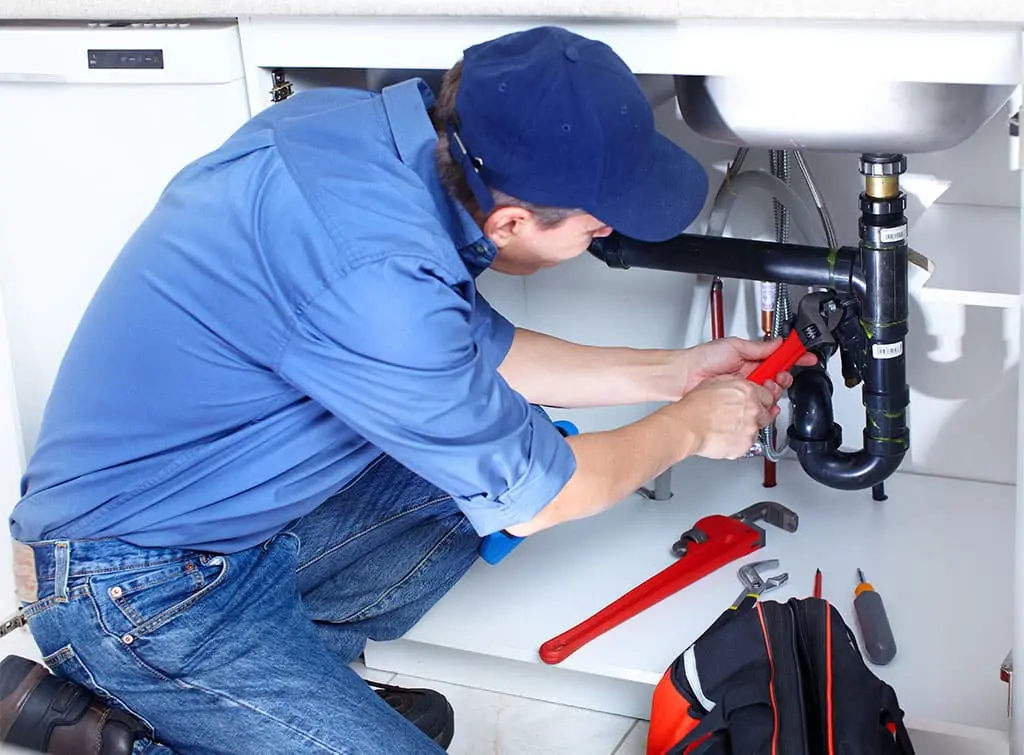
The most devastating impact of hard water occurs out of sight, hidden inside the network of metal and plastic pipes that snake through your walls, ceilings, and floors.
-
Mineral Scale Accumulation: As hard water travels through plumbing lines, especially when heated, calcium and magnesium ions separate from the liquid and form a hard, chalky crust known as limescale. This scale adheres to the interior walls of the pipes.
-
Constricted Water Flow: Over months and years, successive layers of limescale build upon one another, steadily narrowing the interior diameter of the pipes. This restriction chokes off water pressure, leaving showers feeling weak and faucets sputtering.
-
Increased Corrosion Risk: Scale buildup creates micro-environments underneath the crust where moisture gets trapped against metal surfaces, accelerating localized pipe corrosion and increasing the likelihood of pinhole leaks.
-
Joint and Valve Failures: Moving parts inside shut-off valves, pressure-reducing valves, and mixing faucets become coated in abrasive mineral deposits, causing them to stick, leak, or fail prematurely.
Impact on Water Heaters and Major Appliances
Your home appliances bear the heaviest burden when exposed to hard water on a daily basis. Heating hard water accelerates the chemical precipitation process, meaning scale forms much faster inside appliances that use hot water.
-
Water Heater Efficiency Losses: In a traditional tank water heater, minerals settle at the bottom of the tank and form a thick sediment layer. When the burner heats the tank, this sediment acts as an insulating barrier between the heat source and the water. The appliance must work significantly harder and run longer to heat the same volume of water, driving up monthly utility bills and overheating the tank walls.
-
Shortened Appliance Lifespan: The constant thermal stress caused by sediment buildup drastically reduces the operational lifespan of water heaters, often causing tanks to fail years ahead of schedule.
-
Dishwasher and Washing Machine Damage: Dishwashers and washing machines rely on precise water jets, heating elements, and pumps. Hard water clogs these tiny spray nozzles, leaves a cloudy white film on glassware, and causes heating elements to burn out prematurely. Furthermore, hard water binds with laundry detergents to form an insoluble residue that makes fabrics feel stiff, fades clothing colors, and wears out textile fibers much faster.
Aesthetic and Practical Consequences in Bathrooms and Kitchens
Beyond mechanical damage and appliance failures, hard water creates a constant stream of daily annoyances throughout the kitchen and bathroom.
-
Soap Scum Accumulation: Minerals in hard water react with soap to form a sticky, insoluble residue known as soap scum. This film clings stubbornly to shower doors, bathtubs, tile grouts, and porcelain sinks, requiring harsh chemical cleaners and heavy scrubbing to remove.
-
Clogged Showerheads: Showerhead nozzles quickly become blocked by white crusty mineral deposits, causing water to spray outward in erratic, sputtering directions instead of a smooth, even stream.
-
Dry Skin and Dull Hair: Bathing in hard water strips the skin of its natural protective oils and leaves a microscopic mineral film behind. This often leads to chronic dry skin, irritation, eczema flare-ups, and lifeless, brittle hair that resists conditioning treatments.
Testing and Solutions to Combat Hard Water
Addressing hard water issues requires a systematic approach, starting with accurate diagnosis and moving toward effective mechanical treatment.
-
Perform a Water Test: Homeowners can use inexpensive DIY chemical test strips or send a water sample to a certified laboratory to determine the exact hardness level and mineral composition of their supply.
-
Install a Whole-Home Water Softener: The most effective permanent solution is installing an ion-exchange water softener. These systems route incoming water through a mineral tank containing resin beads charged with sodium ions. As hard water passes through, the resin beads attract and trap calcium and magnesium ions, releasing sodium ions in their place. The resulting soft water flows seamlessly to every tap and appliance in the home.
-
Salt-Free Water Conditioners: For households preferring to avoid sodium or potassium addition, template-assisted crystallization systems alter the physical structure of mineral ions so they cannot bond and form scale, though they do not physically remove the minerals.
-
Regular Descaling Maintenance: Routinely soaking showerheads, faucets, and coffee makers in white vinegar dissolves accumulated limescale and restores normal function.
Frequently Asked Questions
Does a water softener make tap water unsafe to drink?
Standard ion-exchange water softeners add a very small amount of sodium to the water during the mineral exchange process. For the vast majority of people, this sodium level is negligible and completely safe. However, individuals on strict low-sodium diets for medical reasons often install a separate reverse osmosis drinking water tap in the kitchen to bypass the softened water for cooking and drinking purposes.
How can I tell if my home has hard water without buying a test kit?
Several obvious visual and physical signs indicate hard water. Common indicators include persistent white crusty buildup around faucets and showerheads, cloudy glassware straight out of the dishwasher, soap that refuses to lather easily in the shower, and clothes feeling stiff or scratchy after air-drying. Additionally, if your skin feels tight and itchy or your hair feels dry after washing, hard water is usually the culprit.
Will a water softener remove existing limescale from my pipes?
Yes, treating hard water with a properly sized water softener gradually reverses existing scale accumulation over time. Soft water has a high mineral absorption capacity, meaning it will slowly dissolve legacy limescale deposits lining your pipes and appliances, flushing them safely out of the system during normal daily usage.
Can hard water cause pinhole leaks in copper plumbing?
Hard water itself does not directly cause pinholes in copper pipes, but the unique chemical composition of certain water supplies, combined with high mineral levels and low pH, can create corrosive conditions. When scale buildup interacts with aggressive water chemistry, localized pitting corrosion can eat through copper walls over extended periods.
Do refrigerator ice makers and water dispensers get damaged by hard water?
Refrigerator water lines and internal ice maker mechanisms are highly susceptible to hard water damage. Mineral scale builds up inside the narrow supply tubing and water inlet valves, restricting flow, jamming ice-making molds, and causing premature mechanical failure of the dispenser system.
How often do water softeners require maintenance?
A standard water softener requires very little day-to-day maintenance, primarily consisting of checking the brine tank every few weeks and adding salt pellets when levels run low. Depending on household water usage and hardness levels, the resin bed may eventually need cleaning or replacement after many years of continuous service.
Does boiling hard water soften it permanently?
Boiling hard water can remove temporary hardness caused by calcium bicarbonate by precipitating it out as solid calcium carbonate scale. However, it does not remove permanent hardness caused by other mineral compounds, making boiling an impractical and inefficient method for softening water for household use.
Comments are closed.