
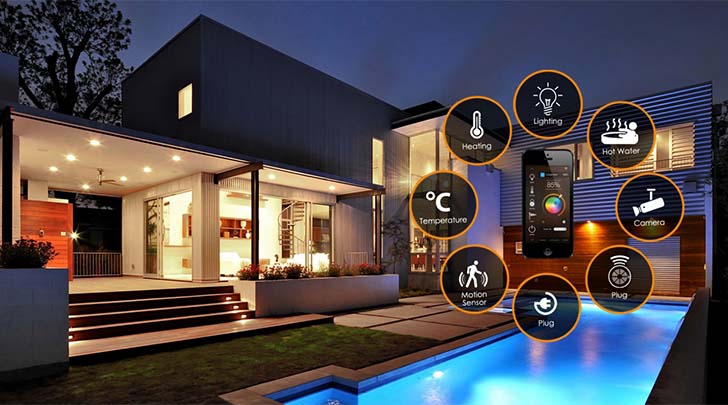

Renovating a home is a significant investment of time, money, and emotional energy. While many homeowners focus primarily on aesthetic updates like paint colors, flooring, and cabinetry, the most profound impact on daily comfort and long-term value often comes from integrating smart home technology. Incorporating these systems during a renovation is far more efficient than retrofitting them later, as walls are already open and electrical access is readily available. By planning your smart home infrastructure now, you can create a living environment that is more secure, energy-efficient, and responsive to your personal needs.
The Backbone of Smart Home Success
Before purchasing high-end devices, your renovation must focus on the digital foundation. A smart home is only as reliable as its network connectivity. During the demolition phase, you should prioritize upgrading your home infrastructure to support future technology demands.
-
Structured Cabling: Even in an era of high-speed wireless internet, hardwired connections remain superior. Run Cat6 or Cat6a ethernet cabling to rooms where you plan to place televisions, workstations, or desktop computers. This ensures consistent speed and frees up bandwidth for your wireless devices.
-
Smart Lighting Circuits: Replacing standard wall switches with smart dimmers and switches requires a neutral wire in every electrical box. If your home has outdated wiring, have your electrician add neutral wires during the renovation. This small change allows you to install sophisticated lighting control systems that do not flicker and maintain a constant connection to your network.
-
Dedicated Power Outlets: Strategic placement of outlets can prevent future clutter. Consider installing recessed power outlets behind wall-mounted televisions or inside kitchen drawers to charge tablets and handheld devices without visible cords.
Elevating Lighting and Ambiance
Lighting profoundly influences mood and functionality. Smart lighting upgrades offer benefits beyond simple voice control or mobile app adjustment. They provide a high level of personalization that traditional switches cannot achieve.
-
Human-Centric Lighting: Advanced smart lighting systems allow for color temperature adjustments, meaning your lights can mimic the natural cycle of the sun. They can shine cooler, brighter light in the morning to increase alertness and transition to warm, soft tones in the evening to promote relaxation.
-
Automated Scenes: During your renovation, integrate lighting with motion sensors in hallways, closets, and bathrooms. You can program scenes that dim the house for movie nights or gradually brighten the lights in your bedroom to wake you gently in the morning.
-
Energy Management: Smart dimmers and automated schedules reduce electricity consumption by ensuring lights are never left on in unoccupied rooms.
Advanced Climate Control and Energy Efficiency
Heating and cooling usually represent the largest portion of a home energy bill. Smart climate control is an essential upgrade for any renovation project, offering significant cost savings and improved comfort.
-
Multi-Zone Temperature Control: Install smart thermostats that support remote sensors. By placing sensors in frequently used rooms like the master bedroom or home office, the system can prioritize comfort in those areas rather than relying on a single temperature reading from a hallway.
-
Integration with Home Systems: Modern thermostats can communicate with other devices. If your smart smoke detector detects a fire, the system can automatically shut down the HVAC to prevent the spread of smoke throughout the house.
-
Window Treatments: Consider installing motorized smart shades that integrate with your climate control. In the summer, these shades can automatically close during the hottest parts of the day to reduce solar heat gain, significantly lowering the load on your air conditioning system.
Enhancing Security and Access Control
Peace of mind is perhaps the most compelling reason to upgrade to a smart home. Integrating security features into your renovation allows for a seamless, low-profile setup that protects your property without compromising your home design.
-
Integrated Video Doorbell and Lock Systems: A smart lock allows for keyless entry, which is invaluable for families and managing contractor access during the renovation process. Pair this with a video doorbell to monitor visitors, packages, and delivery personnel from your smartphone.
-
Strategic Security Camera Placement: Hardwiring security cameras during a renovation prevents the need to recharge batteries or run unsightly wires. Power-over-Ethernet cameras provide stable, continuous recording and are highly resistant to interference.
-
Smart Leak Protection: As part of your plumbing updates, install automated water shut-off valves. These sensors detect moisture near appliances like dishwashers, refrigerators, and water heaters. If a leak is identified, the system immediately cuts the main water supply, potentially saving your home from thousands of dollars in water damage.
Creating a Unified User Experience
The true power of a smart home lies in how devices communicate. Avoid the trap of having ten different apps for ten different devices. Your renovation should aim to create a single, cohesive experience.
-
Centralized Hubs: Select devices that support universal communication protocols. This ensures that your lights, locks, and climate systems work together harmoniously.
-
Voice and Interface Control: Install smart speakers or integrated wall-mounted touch panels in high-traffic areas to provide easy access to all your connected systems.
-
Future-Proofing: Choose systems that offer regular firmware updates. This protects your investment by ensuring that your devices stay compatible with the latest software and security standards for years to come.
Frequently Asked Questions
Do I need a professional to install smart home upgrades during a renovation?
While some devices like smart plugs or light bulbs are simple to set up, major upgrades like smart panels, motorized window treatments, or automated water shut-off valves require professional expertise. Working with a licensed electrician or low-voltage technician during your renovation ensures that all systems are installed according to building codes and operate safely within your home electrical network.
Will smart home technology decrease my home value if I sell later?
Generally, smart home upgrades increase the market appeal of a property, provided they are well-integrated and user-friendly. Buyers often value modern, efficient homes. However, it is essential to ensure that your system is not overly complex or proprietary, which could make it difficult for new owners to manage. Always provide documentation or a guide for the next homeowner.
What happens to my smart devices if the internet goes out?
Most high-quality smart devices are designed to operate locally. While you may lose some functionality like remote mobile app control or voice commands, basic operations such as light switches, manual thermostat control, and door locks will typically still function. Choosing systems with robust local processing capabilities is a smart way to ensure your home remains functional during outages.
How do I protect my smart home from cybersecurity risks?
Cybersecurity is a critical consideration. Use strong, unique passwords for every device account and enable two-factor authentication whenever possible. Additionally, create a dedicated guest network on your router specifically for smart home devices. This isolates your IoT devices from your personal computers and mobile devices, minimizing the risk of unauthorized access to your private data.
Can I upgrade to smart technology in a historic home renovation?
Absolutely, but it requires thoughtful planning. In older homes with limited wall cavity space, look for wireless smart switches that fit into existing electrical boxes without needing extra wiring. You can also utilize micro-controllers that hide behind existing wall fixtures, maintaining the historic aesthetic while adding modern convenience.
Do smart appliances like fridges and ovens really provide value?
Smart appliances offer features that go beyond convenience, such as alerting you to maintenance needs, energy usage reports, or helping you manage inventory. While they are more expensive than standard models, the value lies in their ability to integrate into your automated routines and prevent costly repairs through early detection of performance issues.
Is it worth installing smart smoke and carbon monoxide detectors?
Yes, they are among the most important upgrades you can make. Unlike traditional units that only emit a localized siren, smart detectors send alerts to your smartphone regardless of your location. They also provide status reports on battery life and sensor health, ensuring you are never caught with a non-functional unit in an emergency.
Comments are closed.