
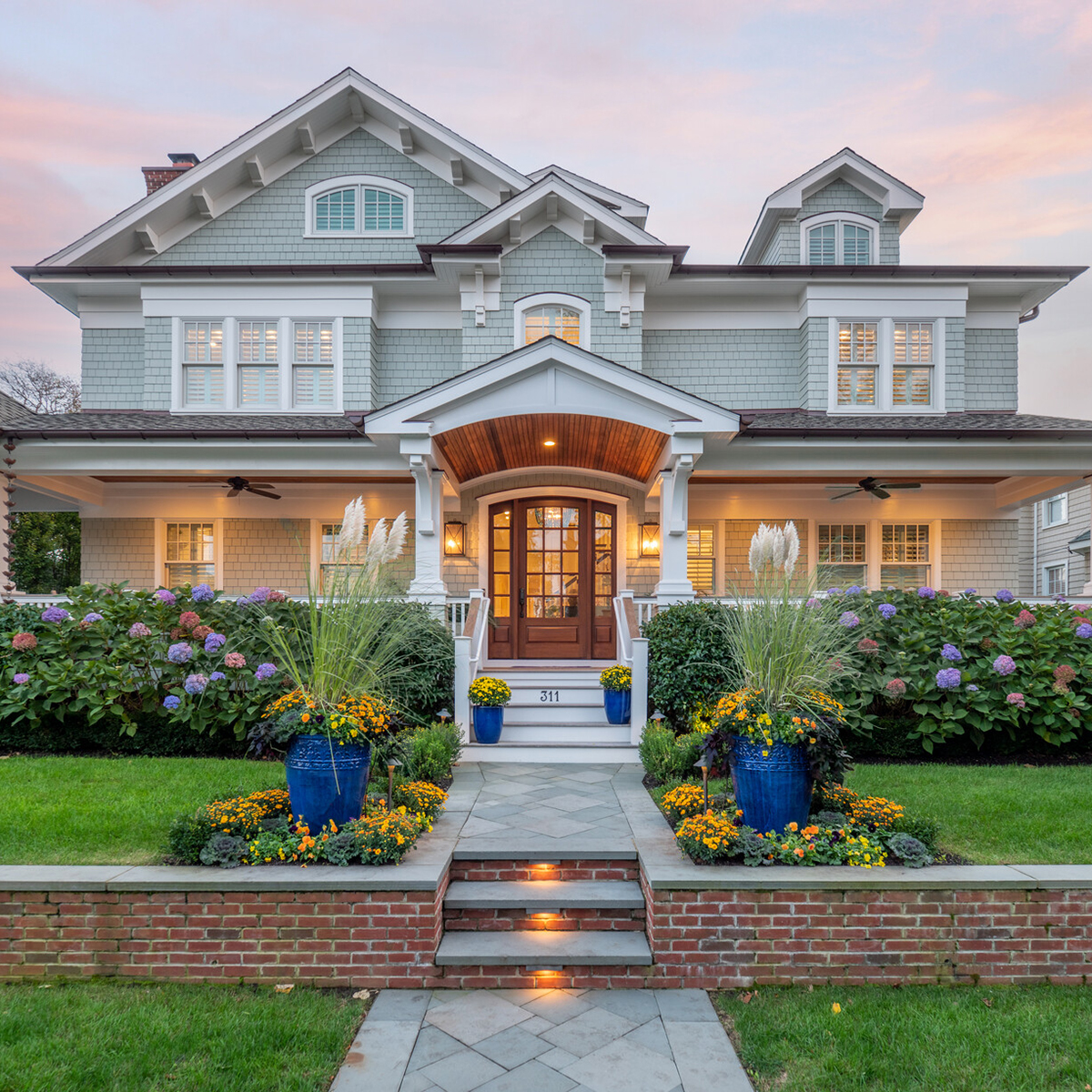

Choosing an exterior paint color palette is one of the most impactful investments a homeowner can make. Beyond protecting siding from weathering and environmental degradation, paint defines the architectural character and curbs appeal of a residence. Exterior color trends evolve continuously, shifting away from stark contrasts toward nuanced, nature-inspired hues that anchor homes into their surrounding landscapes. Exploring current palette directions across various architectural styles helps homeowners select shades that balance timeless elegance with modern freshness.
Embracing Earthy and Organic Tones
The prevailing shift in exterior design favors grounded, organic colors that create a seamless transition between the built structure and the natural environment. Bright white houses with stark black trim, which dominated suburban neighborhoods for years, are steadily giving way to warmer, softer neutrals.
Earthy tones create an immediate sense of welcome and tranquility. These shades absorb sunlight differently than high-reflectance whites, creating a rich, dynamic appearance throughout changing daylight hours.
-
Warm Clays and Terracotta: These rich, baked earth hues bring warmth to modern farmhouse and southwestern styles, pairing exceptionally well with natural stone and cedar accents.
-
Muted Sage and Olive Greens: Green has established itself as a neutral favorite. Desaturated olive and sage tones blend effortlessly into wooded or suburban lots, offering a calm aesthetic.
-
Deep Charcoal and Slate: Moving away from flat black, charcoal grays with subtle blue or green undertones provide striking contrast without overwhelming the visual mass of the home.
Selecting the right earth tone requires evaluating how natural light hits different elevations of the house throughout the day, ensuring the chosen hue complements surrounding foliage and neighboring properties.
Traditional and Colonial Homes
Traditional architecture, including Colonial, Georgian, and Victorian styles, relies on color palettes that honor historical roots while incorporating contemporary updates. For these classic homes, restraint and sophistication are paramount.
The traditional body color often features a creamy off-white, a muted historical gray, or a deep navy blue. Instead of using pure brilliant white for trim and architectural moldings, designers recommend soft cream or warm parchment shades to soften the overall transition.
Front doors on traditional homes provide the ideal canvas for accent colors. Deep reds, forest greens, or polished black finishes add a focal point that draws the eye upward and anchors the entryway. Window sashes painted in a darker shade than the main body create depth, framing views outward and adding architectural definition to the facade.
Mid Century Modern and Contemporary Residences
Mid-century modern and contemporary homes feature clean horizontal lines, large glass expanses, and asymmetric forms. Their exterior color schemes should celebrate these structural geometries rather than mask them.
For these properties, the palette often draws inspiration from the surrounding landscape, utilizing contrasting tones to highlight different architectural planes. A common approach involves pairing a neutral base, such as warm taupe or light gray, with bold accent colors on entry doors, garage doors, or specific structural panels.
-
Bold Mustard and Rust: Authentic to mid-century heritage, these vibrant accents pop against dark wood paneling or neutral stucco surfaces.
-
Monochromatic Schemes: Layering various shades of charcoal, gray, and off-white across different materials creates a sophisticated, cohesive modernist exterior.
-
Natural Wood Finishes: Staining wood siding in warm amber or walnut tones breaks up expanses of painted masonry and metal.
Craftsman and Bungalow Properties
Craftsman homes and bungalows emphasize handcrafted details, exposed rafter tails, natural wood pillars, and stone foundations. Their color palettes should highlight this craftsmanship through rich, saturated hues.
Historically, Craftsman colors were drawn directly from nature to harmonize with Arts and Crafts philosophy. Deep forest greens, rich browns, warm golds, and earthy rust colors work exceptionally well on wood siding and shingle details.
To prevent dark colors from making the home feel heavy, designers use a three-color approach. The main body receives a rich, saturated tone, the trim features a contrasting or complementary medium shade, and the porch columns, brackets, and front door receive a distinct accent color that highlights the intricate carpentry work.
Frequently Asked Questions
How do different weather conditions and sunlight orientations affect exterior paint colors?
Sunlight intensity and directional exposure drastically alter how paint colors appear. North-facing walls receive cool, indirect light that can make colors look darker and bluer, whereas south-facing walls receive intense, direct sunlight that washes out lighter shades and makes warm undertones pop. Homeowners should always test paint samples directly on multiple walls and observe them at different times of day.
What is the difference between cool gray and warm gray paint undertones?
Cool grays contain blue, green, or violet undertones, giving them a crisp, modern, and sometimes industrial appearance. Warm grays, often referred to as greige, contain yellow, beige, or red undertones, making them feel softer, cozier, and more compatible with earthy architectural elements like brick and stone.
How can homeowners ensure their exterior paint color choice complies with neighborhood regulations?
Many suburban developments and historic districts enforce strict architectural guidelines managed by homeowners associations or municipal preservation commissions. Homeowners should consult their governing covenants, review approved color swatches, and submit formal color application requests before purchasing paint or starting exterior renovation projects.
What type of paint finish is best suited for residential exterior siding?
Satin or low-lustre finishes are generally recommended for the main body of residential siding because they offer a smooth, washable surface with just enough sheen to deflect moisture without highlighting minor surface imperfections. Semi-gloss finishes work best for exterior trim, doors, and window casings because they withstand frequent cleaning and provide high durability against wear.
How do exterior paint colors impact the overall energy efficiency of a home?
Darker exterior paint colors absorb significantly more solar radiation than lighter shades, which can increase indoor cooling loads during hot summer months in warmer climates. Conversely, lighter colors reflect sunlight, helping keep the building envelope cooler. Homeowners in hot regions often benefit from energy-efficient reflective paint formulations available in darker color profiles.
Why is it important to paint large sample swatches before committing to a full exterior color?
Paint chips displayed on small paper cards are often misleading because large exterior surfaces amplify color intensity and brightness. Painting two-foot by two-foot test squares directly onto different sides of the house allows homeowners to see how the color interacts with existing roof shingles, brickwork, landscape elements, and changing natural light.
How often should a typical residential exterior be repainted to maintain protection and curb appeal?
Most residential exterior paint jobs last between seven to ten years, depending on climate exposure, local weather patterns, and the quality of the initial preparation and paint product used. Wood siding typically requires more frequent repainting due to natural expansion and contraction, whereas fiber cement siding and masonry retain paint finishes for longer periods.
Comments are closed.