
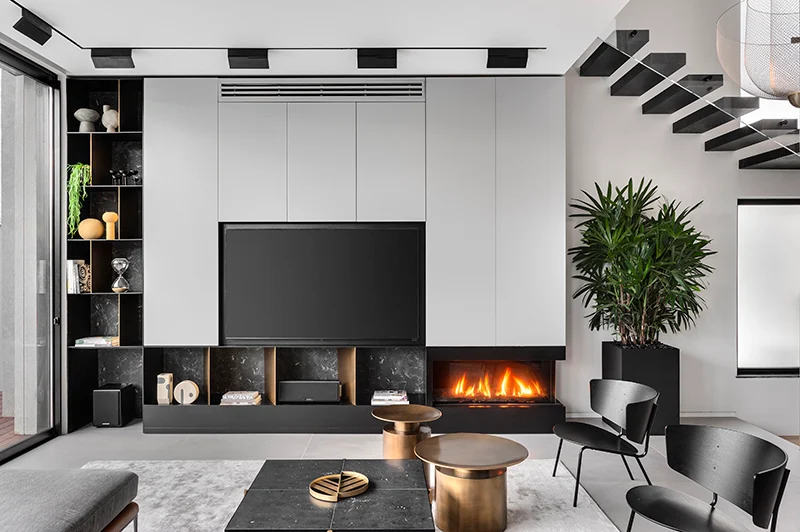

Interior design is far more than just arranging furniture or choosing colors. It is the strategic art of shaping interiors to enhance both functionality and aesthetics. A well-designed space not only looks beautiful but also supports the way you live, work, and relax. The best interior design harmonizes form and function, blending creativity with practicality to create environments that tell a story and evoke emotion.
Understanding the Core Principles of Interior Design
Every remarkable interior begins with a deep understanding of design principles. These foundational concepts guide professionals and homeowners alike in crafting spaces that are balanced, inviting, and visually coherent.
Balance
Balance in interior design ensures that a room feels stable and evenly distributed. It involves arranging furniture, colors, and textures in a way that avoids visual heaviness on one side.
- Symmetrical balance uses mirrored arrangements, ideal for traditional or formal spaces.
- Asymmetrical balance feels more dynamic, using visual weight rather than identical objects to create harmony.
- Radial balance organizes design elements around a central focal point, often used in dining rooms or entryways.
Rhythm
Rhythm introduces flow and continuity within a space. It can be achieved through repetition of patterns, colors, or shapes that guide the eye seamlessly throughout the room.
Contrast
Contrast adds drama and energy to a space. Light against dark, rough against smooth, or soft against hard textures all help highlight key features and prevent monotony.
Scale and Proportion
Proportion determines how well elements relate to each other in size, while scale ensures they fit comfortably within the room. Oversized furniture in a small space or tiny art pieces on a large wall can disrupt visual balance.
Unity
Unity ties the entire design together, creating a sense of cohesiveness. Every element should contribute to a single overarching theme or aesthetic direction.
Defining Your Interior Design Style
One of the first steps in interior design is identifying the style that reflects your personality and lifestyle. Modern, traditional, minimalist, industrial, and bohemian are popular styles, but the most successful interiors often blend elements from multiple inspirations.
Modern Design
Modern design emphasizes simplicity, clean lines, and functionality. Materials like glass, metal, and natural wood are common, with a neutral color palette accented by bold hues.
Minimalist Design
Inspired by the idea of “less is more,” minimalism removes clutter and focuses on essentials. It favors neutral tones, open layouts, and multi-functional furniture.
Industrial Design
Industrial interiors showcase raw materials such as exposed brick, metal beams, and concrete surfaces. It embraces unfinished textures, combining ruggedness with sophistication.
Transitional Design
Transitional interiors blend traditional and contemporary elements. The result is a timeless aesthetic that balances classic details with modern comfort.
Biophilic Design
Biophilic interior design connects people to nature by integrating natural elements such as plants, sunlight, and organic materials. It promotes well-being and reduces stress levels in both homes and offices.
Space Planning: The Foundation of Good Interior Design
Effective space planning is what transforms a house into a home. It ensures that every area is utilized efficiently while maintaining a sense of openness and flow.
Key principles of space planning include:
- Function first: Start by identifying how the space will be used daily.
- Traffic flow: Maintain clear pathways, ideally 30 to 36 inches wide, to prevent congestion.
- Zoning: Divide spaces based on function—social, private, and service zones.
- Furniture proportion: Ensure furniture fits comfortably without overpowering or underwhelming the space.
Good space planning also considers natural light, ventilation, and acoustic comfort.
The Role of Color Psychology in Interior Design
Color influences mood, perception, and even productivity. A thoughtful color palette can enhance the atmosphere of any room.
- Warm tones like terracotta, red, and mustard evoke energy and intimacy, making them ideal for living rooms and dining areas.
- Cool tones such as blue, green, and lavender promote calmness, perfect for bedrooms and bathrooms.
- Neutrals provide flexibility, allowing you to layer textures and accents easily.
- Accent colors bring personality; introducing them through accessories, artwork, or statement furniture can dramatically shift the tone of a space.
When choosing colors, always test them under different lighting conditions since natural and artificial light affect perception.
Lighting: The Hidden Element That Defines Ambiance
Lighting can make or break an interior design. It shapes how colors appear and influences the atmosphere of a space. The best interiors use a layered approach to lighting.
Ambient Lighting
This is the main source of illumination, often achieved through ceiling fixtures or recessed lighting.
Task Lighting
Designed for functionality, task lighting focuses on specific areas like reading corners, kitchen counters, or study desks.
Accent Lighting
Accent lights highlight architectural details, artwork, or textured walls, adding depth and character.
Dimmers, smart lighting systems, and adjustable fixtures offer flexibility to tailor the mood from bright and energetic to soft and relaxing.
Textures and Materials: Adding Depth and Personality
Texture introduces tactile interest and emotional warmth to a room. A well-balanced mix of materials can make a space feel layered and inviting.
- Combine smooth and rough surfaces for contrast.
- Use natural fibers like linen, wool, and jute for softness.
- Integrate wood and metal for structure and stability.
- Introduce glass and ceramics to reflect light and create visual balance.
The key is moderation—too many competing textures can overwhelm the design, while too few can make it appear flat.
Furniture Selection and Arrangement
Furniture is the backbone of interior design. Its placement affects both comfort and visual harmony. When selecting pieces, consider quality, proportion, and usability.
- Anchor the space: Start with large pieces such as sofas, beds, or dining tables, then layer smaller items around them.
- Avoid overcrowding: Leave enough breathing space between furniture for easy movement.
- Experiment with layouts: Floating furniture away from walls can make a room appear larger and more dynamic.
- Coordinate styles: Mix old and new pieces thoughtfully for an eclectic yet cohesive look.
Investing in timeless, high-quality furniture pays off long term, as it can adapt to evolving trends.
Accessorizing with Intention
Accessories add soul to a space. Art, mirrors, plants, rugs, and decorative objects personalize your environment and bring life to the design.
Tips for effective accessorizing include:
- Stick to a color or material theme for consistency.
- Use odd-numbered groupings (like sets of three or five) for balance.
- Mix heights and scales to create visual rhythm.
- Introduce greenery for freshness and vitality.
Avoid clutter by curating rather than accumulating decor items.
Sustainability in Modern Interior Design
Sustainable interior design focuses on creating spaces that minimize environmental impact without sacrificing aesthetics.
- Use eco-friendly materials: Bamboo, reclaimed wood, and recycled glass are stylish and sustainable.
- Opt for low-VOC paints: They improve indoor air quality.
- Invest in energy-efficient lighting and appliances.
- Repurpose furniture: Refurbishing old pieces reduces waste and adds character.
Sustainability also extends to longevity—choosing timeless designs reduces the need for constant replacements.
Integrating Technology in Interior Design
Technology now plays a key role in modern interior design. Smart home systems control lighting, temperature, and entertainment seamlessly. Hidden charging ports, wireless sound systems, and motion-sensitive lighting all enhance convenience without disrupting aesthetics.
Virtual reality and 3D visualization tools also allow homeowners to preview layouts and materials before implementation, reducing design errors and unnecessary expenses.
Designing for Wellness and Mental Health
Interior design directly affects mental and physical well-being. Environments that promote comfort, light, and nature can improve mood and productivity.
- Maximize natural light to regulate circadian rhythms.
- Incorporate plants to purify the air and reduce stress.
- Choose ergonomic furniture to support posture.
- Create relaxation zones free of digital distractions.
A home designed for wellness fosters tranquility and enhances overall quality of life.
FAQs
Q1: How can I make a small space look bigger with interior design?
Use light colors, large mirrors, and minimal furniture. Choose multi-functional pieces and avoid heavy drapery to maintain an airy feel.
Q2: What’s the difference between interior design and interior decoration?
Interior design involves structural planning and functional improvement, while decoration focuses on surface aesthetics like color, furniture, and accessories.
Q3: How important is lighting in interior design?
Lighting defines mood, enhances colors, and highlights architectural features. Layered lighting ensures versatility for various times of day and activities.
Q4: Can different design styles be mixed in one home?
Yes, but consistency is key. Blend complementary styles and unify them through color, texture, or material repetition.
Q5: What’s the most cost-effective way to upgrade an interior?
Repainting walls, updating lighting fixtures, and rearranging furniture can drastically refresh interiors without significant investment.
By mastering the principles and methods of interior design, you can transform any space into an inspiring environment that reflects individuality, comfort, and timeless elegance. Thoughtful design isn’t about trends—it’s about creating spaces that tell your story and enhance the way you live every day.
Comments are closed.