
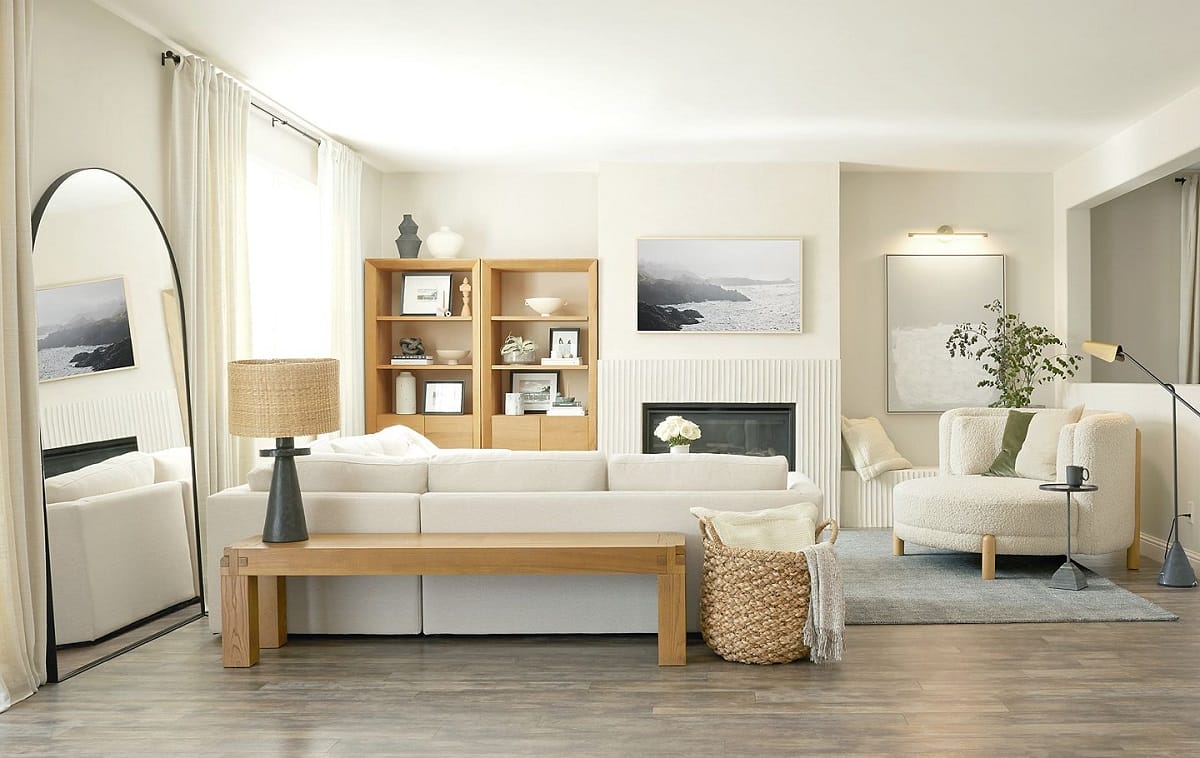

Creating a beautiful, functional, and cohesive living space is both an art and a science. The way you design and decorate your home has a profound impact on your mood, comfort, and even productivity. Whether you’re moving into a new space or revamping your existing one, mastering expert-level decor tips can elevate your interiors from ordinary to exceptional.
Understanding the Power of Interior Design
Interior design goes beyond aesthetics. It’s about creating a space that reflects your personality, supports your lifestyle, and provides comfort. The key to great home decor lies in achieving balance between beauty and functionality. Every piece, color, and texture plays a role in shaping the atmosphere of a room. When done thoughtfully, your home becomes a sanctuary that nurtures your well-being.
Start with a Vision and Mood Board
Before purchasing a single item, define your design vision. Decide what kind of ambiance you want your home to convey—modern, rustic, minimalist, or traditional. Create a mood board using digital tools or physical clippings to visualize your ideas. Include samples of color palettes, fabrics, furniture styles, and accessories that align with your vision.
A mood board helps maintain consistency and ensures your decor choices complement each other. It also prevents impulse purchases that may clash with your overall theme.
Key Tips for a Strong Design Vision
- Choose 2-3 dominant colors and 1-2 accent tones.
- Stick to a consistent style, but allow for subtle variations to add personality.
- Consider the architectural elements of your home—natural light, ceiling height, and room layout.
Mastering Color Psychology
Color is one of the most powerful tools in home decor. It influences emotions, energy levels, and even perceptions of space. Understanding color psychology helps you create rooms that evoke the right feelings.
- Neutral tones such as beige, ivory, and gray promote calmness and serve as versatile backdrops.
- Warm colors like terracotta, ochre, and mustard add coziness and depth to living spaces.
- Cool shades such as blue, green, and lavender enhance relaxation, making them ideal for bedrooms and bathrooms.
- Bold hues like emerald or navy create visual drama when used as accent walls or statement furniture.
Experiment with combinations through accessories before committing to painting large areas. Subtle color coordination between walls, textiles, and furniture creates a seamless, elegant finish.
Layer Lighting for Ambiance and Functionality
Lighting is often overlooked but plays a vital role in interior design. Proper lighting layers—ambient, task, and accent—enhance both aesthetics and functionality.
- Ambient lighting provides overall illumination through ceiling fixtures or recessed lights.
- Task lighting focuses on specific areas such as reading nooks, kitchen counters, or home offices.
- Accent lighting highlights artwork, architectural features, or decor elements.
Incorporate dimmers and smart lighting systems to adjust brightness levels throughout the day. Warm-toned bulbs foster a cozy atmosphere, while daylight LEDs promote alertness and productivity.
Choose Timeless Furniture Over Trends
Trends come and go, but timeless furniture remains stylish for decades. Invest in high-quality foundational pieces such as sofas, dining tables, and bed frames. Look for craftsmanship, durable materials, and classic silhouettes that adapt to evolving decor preferences.
When selecting furniture, consider:
- Proportions: Ensure the size matches the room’s scale. Overly large pieces can make a space feel cramped.
- Material quality: Solid wood, top-grain leather, and natural fabrics last longer and age gracefully.
- Comfort: Aesthetics mean little without comfort. Always test seating before buying.
Complement neutral furniture with trend-driven accents like cushions, throws, or wall art for an effortless refresh.
Textures: The Secret to Depth and Warmth
Texture adds richness and tactile interest to any room. Mixing various materials—soft, hard, shiny, and matte—creates balance and depth.
- Use plush rugs or woven throws to soften hardwood or tile flooring.
- Introduce linen curtains, velvet cushions, or leather ottomans for contrast.
- Incorporate natural elements such as wood, rattan, and stone for organic warmth.
A well-layered texture palette keeps a room visually engaging and comfortable, even with minimal color.
Artwork and Personal Touches
Art completes a room. Choose pieces that resonate with your personality rather than matching the color scheme. Large-scale artwork can serve as a focal point, while smaller collections can be arranged in gallery walls for visual storytelling.
Personal touches like family photos, travel souvenirs, or heirlooms make your space unique. The key is curation—display meaningful items strategically rather than cluttering every surface.
Balance Proportion and Scale
One of the most sophisticated decor tips involves mastering scale. A well-designed space maintains proportion among its elements. If you have high ceilings, opt for taller furniture and large artwork to fill vertical space. Conversely, smaller rooms benefit from lower, sleeker furniture to create openness.
Use rugs to define zones within open layouts. The ideal rug size should anchor all major furniture pieces, keeping the design cohesive and grounded.
Incorporate Nature Indoors
Biophilic design—integrating natural elements indoors—improves mental health and air quality. Houseplants not only beautify your home but also create a tranquil environment.
Choose low-maintenance plants like snake plants, pothos, or peace lilies for easy care. If natural light is limited, invest in artificial greenery that mimics real foliage. Wooden furniture, stone textures, and earthy hues further enhance this organic connection.
Functionality and Storage Solutions
A beautiful home must also be practical. Smart storage ensures a clutter-free, organized environment.
- Use built-in shelving to maximize vertical space.
- Opt for multi-functional furniture like ottomans with hidden storage or extendable dining tables.
- Incorporate decorative baskets and storage benches for quick organization.
Clutter-free rooms instantly appear larger, cleaner, and more welcoming.
Seasonal Decor Transitions
Refreshing your decor each season keeps your home feeling new. Switch out cushion covers, rugs, or curtains with lightweight fabrics in spring and summer, and bring in warm, cozy textures for fall and winter.
Seasonal centerpieces, wreaths, and candles also allow you to celebrate the time of year without overhauling the entire design.
Smart Home Integration
Modern interior design seamlessly blends aesthetics with technology. Smart lighting, automated blinds, and temperature control systems not only enhance convenience but also contribute to energy efficiency. Choose devices with sleek designs that complement your decor rather than disrupt it.
Sustainable and Ethical Decorating
Sustainability is at the forefront of modern home design. Choose eco-friendly materials and support ethical craftsmanship.
- Buy furniture made from FSC-certified wood.
- Use low-VOC paints to improve indoor air quality.
- Repurpose or upcycle vintage pieces for a personalized, eco-conscious touch.
These choices not only reduce environmental impact but also add authenticity and character to your home.
Common Decorating Mistakes to Avoid
Even experienced decorators make missteps. Avoid these pitfalls to ensure professional-level results:
- Pushing all furniture against walls (it makes rooms feel empty and unbalanced)
- Ignoring scale when choosing decor pieces
- Over-accessorizing or mixing too many styles
- Skipping lighting layers and relying solely on overhead lights
- Neglecting ceiling and floor details
Being mindful of these errors helps maintain design harmony throughout your home.
FAQs
Q1: How can I make a small living room look spacious?
Use light colors, mirrors, and furniture with exposed legs to create an illusion of space. Keep pathways clear and avoid bulky furniture.
Q2: What’s the easiest way to update my home decor without spending much?
Switch out textiles like curtains, cushions, and rugs. Add statement lighting or rearrange furniture for a new layout. Small changes often make a big impact.
Q3: How do I mix different design styles effectively?
Choose one dominant style and blend subtle elements of another. Maintain color and texture consistency to tie everything together.
Q4: How important is lighting in decor design?
Lighting defines the mood and functionality of a space. Layer multiple light sources for depth and balance rather than relying on one overhead fixture.
Q5: What’s the best way to choose wall art?
Select artwork that tells your story or evokes emotion. It doesn’t need to match the decor perfectly—contrast often creates more visual appeal.
By thoughtfully implementing these decor tips, you can transform your home into a sophisticated, comfortable, and timeless space that reflects your unique style and personality. Every design decision should enhance both the look and the livability of your home, making it a true reflection of who you are.
Comments are closed.