
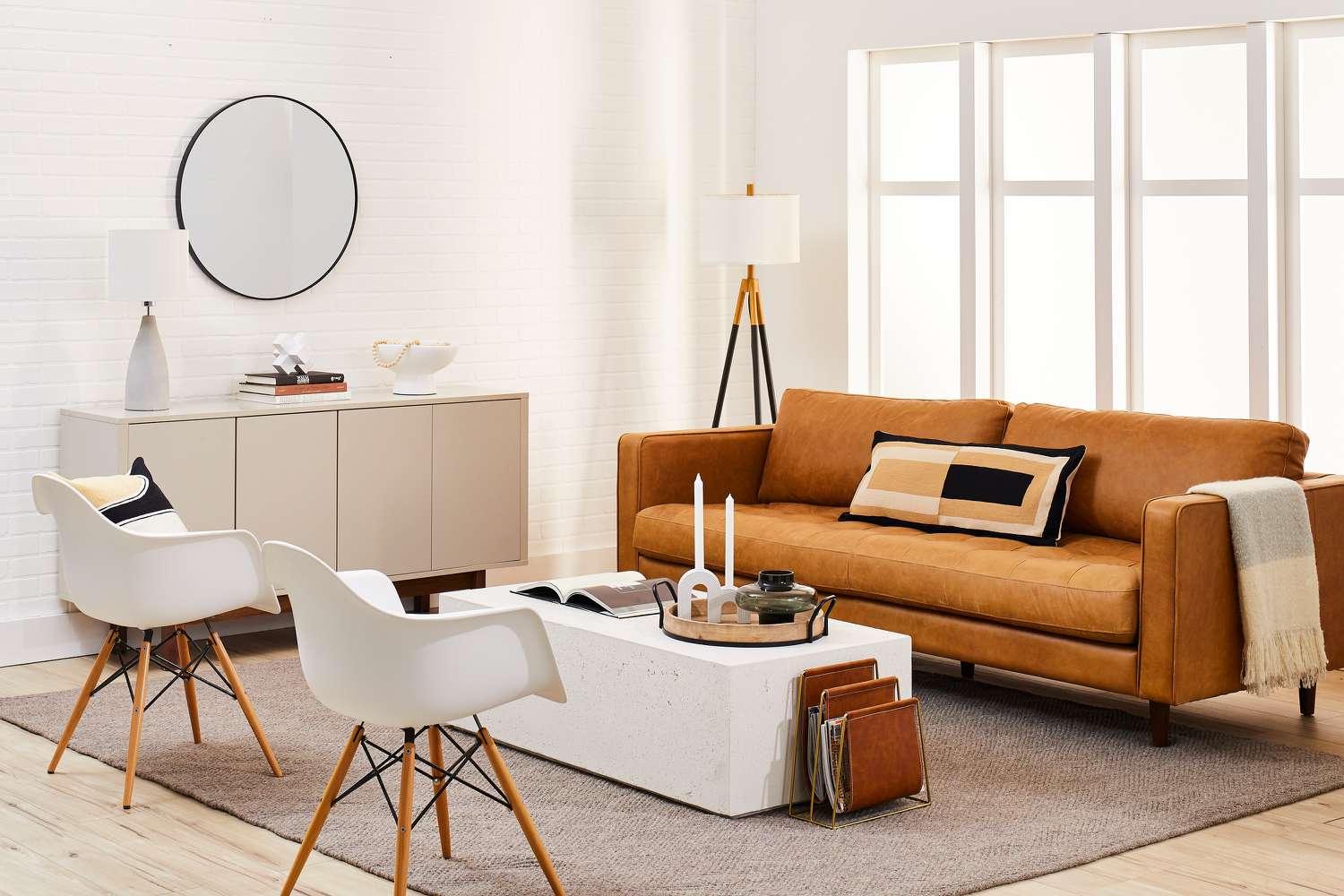

When it comes to creating a cohesive and inviting home environment, few elements play a more defining role than furniture. Beyond serving a functional purpose, furniture sets the tone for your entire interior style, dictates flow and comfort, and often reflects your personal aesthetic. Whether you are furnishing a new home, remodeling a space, or upgrading a single room, making informed furniture choices is essential to achieving balance, comfort, and visual harmony.
Understanding the Role of Furniture in Interior Design
Furniture forms the foundation of every interior design plan. It dictates the spatial arrangement, defines zones, and brings your vision to life. The right pieces provide not only practicality but also emotional warmth and personality. Each piece contributes to how a room feels and functions—whether it promotes relaxation, productivity, or social interaction.
Well-selected furniture also enhances architectural features, improves usability, and boosts a property’s overall value. Investing in quality furniture is not just a design decision but a long-term commitment to style, comfort, and durability.
The Art of Planning Before Purchasing
Before rushing to buy furniture, start with a strategic plan. Identify your goals for the space, your lifestyle needs, and your aesthetic preferences.
Essential Steps to Begin Your Furniture Journey
- Measure your space: Take precise dimensions of the room, including doorways and windows, to ensure the furniture fits proportionately.
- Define your layout: Use a floor plan or 3D visualization tool to map out potential arrangements.
- Determine function: Ask how the space will be used daily—hosting guests, relaxing, working, or dining.
- Set a budget: Factor in not only the cost of furniture but also delivery, installation, and maintenance.
Proper planning prevents mismatched proportions, overcrowding, and impulse purchases that might disrupt your desired aesthetic.
Choosing Furniture That Matches Your Lifestyle
Lifestyle compatibility is as important as style itself. Furniture should enhance daily life, not complicate it. For example, families with children or pets should prioritize durability and stain-resistant materials, while minimalists may prefer clean lines and multifunctional pieces.
Key considerations when choosing lifestyle-appropriate furniture:
- Durability: Opt for hardwoods, metal frames, or high-performance fabrics.
- Comfort: Ergonomically designed seating and supportive cushions promote relaxation and well-being.
- Maintenance: Select easy-to-clean materials like microfiber, treated leather, or removable cushion covers.
- Flexibility: Modular or extendable designs allow you to adapt your setup as your needs evolve.
By aligning your furniture choices with your lifestyle, you ensure that beauty and practicality coexist harmoniously.
The Impact of Furniture Materials and Construction
Furniture materials significantly influence quality, aesthetics, and longevity. Understanding these components allows you to make smarter investments.
Popular Furniture Materials and Their Advantages
- Solid Wood: Timeless, durable, and easily refinished. Ideal for long-term use in dining tables, bed frames, and cabinets.
- Veneer: More affordable than solid wood while retaining a natural look. However, it’s less resistant to heavy wear.
- Metal: Sleek and sturdy, perfect for modern and industrial aesthetics. Common in bed frames, chairs, and tables.
- Upholstery: The comfort layer of furniture, available in leather, linen, velvet, or synthetic blends.
- Glass and Acrylic: Visually light and great for smaller spaces where transparency adds openness.
High-quality craftsmanship often determines how long your furniture will last. Check for reinforced joints, smooth finishes, and balanced proportions before purchasing.
Style Meets Function: Finding the Perfect Balance
Exceptional furniture design bridges the gap between style and function. While aesthetics matter, each piece must serve a clear purpose. A visually stunning sofa loses its value if it’s uncomfortable, and a stylish dining table that scratches easily can quickly disappoint.
When choosing furniture:
- Evaluate how each piece complements existing elements like flooring, wall colors, and lighting.
- Prioritize versatility; furniture that transitions easily between rooms or uses adds flexibility.
- Mix textures and finishes—combining matte, gloss, wood, and metal enhances visual depth.
This balance ensures your space looks refined without sacrificing usability.
Furniture Layout and Spatial Planning
The layout of your furniture defines the flow and energy of your home. Poor arrangement can make even the most beautiful pieces look awkward.
Tips for Effective Furniture Placement:
- Start with the focal point: Arrange major pieces around architectural features like a fireplace or large window.
- Create conversational groupings: Sofas and chairs should face each other within comfortable speaking distance.
- Maintain clear pathways: Allow at least 30-36 inches for walking space.
- Balance weight: Distribute furniture evenly throughout the room to avoid visual imbalance.
Using rugs, lighting, and decor to define zones can further enhance cohesion, especially in open-plan layouts.
Color, Texture, and Tone Coordination
The visual language of your furniture should align with your chosen color palette. Neutrals create calm and timeless backdrops, while bold hues add drama and personality.
- Neutral furniture in shades of beige, white, or gray works well in both traditional and contemporary interiors.
- Dark tones like walnut, navy, or charcoal add richness but should be balanced with lighter decor to prevent heaviness.
- Accent colors through cushions, throws, or statement chairs inject vibrancy without overwhelming the space.
Textural contrast is equally important. Combining smooth leather with woven fabrics or wood with metal provides depth and character.
The Importance of Comfort and Ergonomics
While design trends come and go, comfort remains timeless. Every seating element should support good posture and relaxation.
Considerations for Ergonomic Furniture:
- Sofas and chairs should have proper lumbar support.
- Dining chairs need the right height ratio to tables (typically 10–12 inches lower).
- Workstations should follow ergonomic principles to reduce strain during long hours.
Comfort-driven furniture promotes both physical health and long-term satisfaction.
Sustainable and Ethical Furniture Choices
Sustainability is no longer a trend but a necessity. Conscious consumers increasingly seek furniture made from eco-friendly and responsibly sourced materials.
To make sustainable furniture choices:
- Look for FSC-certified wood and low-VOC finishes.
- Support artisans and local craftsmanship to reduce transportation emissions.
- Reuse, refurbish, or upcycle vintage pieces to extend their life cycle.
- Choose durable materials that minimize frequent replacements.
Sustainable furniture doesn’t just benefit the planet—it adds authenticity and narrative to your home.
Integrating Technology with Modern Furniture
Today’s furniture often incorporates smart technology, merging style with innovation. From adjustable height desks to recliners with charging ports and beds with built-in lighting, technology enhances convenience and comfort.
Smart furniture is ideal for modern living, especially in smaller spaces or tech-oriented homes. The key is subtle integration so that technology enhances design without dominating it.
Maintenance and Longevity Practices
Even the best furniture requires proper care to maintain its appearance and durability. Each material demands specific upkeep techniques.
Practical Furniture Maintenance Tips:
- Dust wood surfaces weekly and polish every few months.
- Vacuum upholstered furniture regularly and treat spills immediately.
- Avoid direct sunlight to prevent fading or warping.
- Rotate cushions and rearrange layouts periodically to ensure even wear.
Consistent care ensures that your investment retains its value and beauty for years.
Custom Furniture: A Reflection of Individuality
Custom-designed furniture offers unmatched personalization. Tailor-made pieces reflect your exact needs, spatial constraints, and style preferences. From built-in storage solutions to bespoke dining tables, customization provides exclusivity and precision.
Working with skilled craftsmen allows you to experiment with unique dimensions, finishes, and fabrics. Custom furniture often becomes a statement feature, distinguishing your home from generic mass-produced interiors.
Real-Life Tips for Blending Furniture Styles
Combining furniture styles can produce strikingly dynamic interiors when done correctly. The secret lies in finding visual harmony through color, texture, and proportion.
Expert Advice for Mixing Styles:
- Use one style as dominant and another as complementary.
- Repeat certain materials or tones across different pieces for cohesion.
- Anchor eclectic arrangements with neutral backgrounds.
- Avoid overcrowding the room with too many statement items.
When balanced thoughtfully, mixing modern and vintage or minimalist and rustic pieces creates layers of visual interest and storytelling.
FAQs
Q1: How can I make my small apartment look spacious with furniture?
Opt for multifunctional furniture like storage ottomans, foldable tables, and nesting chairs. Choose lighter colors and furniture with exposed legs to create an airy effect.
Q2: What is the best furniture material for long-term durability?
Solid wood and high-quality metal frames are excellent for longevity. For upholstery, genuine leather or performance fabric offers both comfort and resilience.
Q3: How often should I replace my furniture?
With proper care, high-quality furniture can last 10–20 years or longer. Replace only when it shows structural wear or no longer fits your needs.
Q4: Can I mix different wood finishes in the same room?
Yes, but maintain balance by choosing woods with similar undertones. Contrast should be intentional and harmonized with other decor elements.
Q5: How do I know if my furniture fits the space properly?
Use painter’s tape to mark furniture outlines on the floor before buying. This helps visualize proportions and ensures adequate walking space.
By understanding the balance of form, function, and comfort, your furniture becomes more than just decor—it becomes a meaningful extension of your lifestyle. Whether you’re designing a cozy apartment or a grand residence, thoughtful furniture selection ensures your home remains timeless, stylish, and deeply personal.
Comments are closed.