
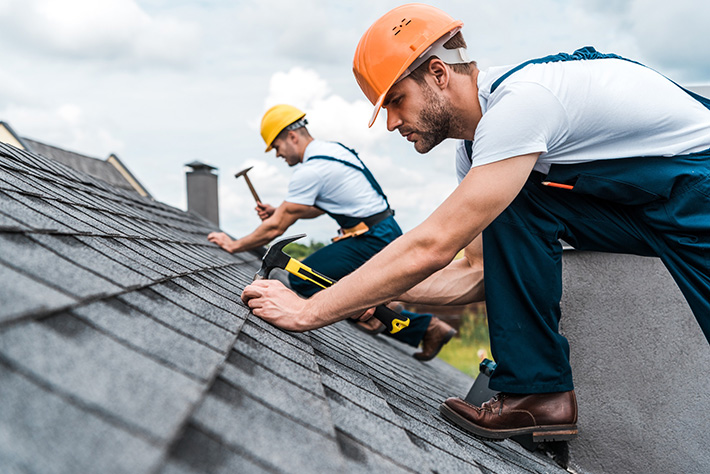

Understanding the Importance of a Reliable Roofing Contractor
The Risks of DIY Roofing: When to Call the Pros
Embarking on a roofing project may inspire a sense of adventure in some homeowners, prompting them to consider a do-it-yourself (DIY) approach. While the allure of saving on labor costs can be tempting, it’s essential to understand the inherent risks associated with DIY roofing. The roof is arguably one of the most crucial components of your home, providing protection from the elements and ensuring energy efficiency. A poorly executed roofing job can lead to leaks, structural damage, and ultimately, costly repairs that far exceed initial savings.
Many DIY enthusiasts underestimate the complexity of roofing systems. Each roof is unique, influenced by factors like pitch, materials, local climate, and building codes. When homeowners attempt roofing projects without adequate knowledge or experience, they risk making critical mistakes, such as incorrect flashing installation or misaligned shingles. These errors not only compromise the roof’s integrity but may also void manufacturers’ warranties. Calling in professionals who are skilled in local building regulations and who understand the nuances of various roofing materials is crucial. Ultimately, in situations where one lacks expertise, the potential for financial loss, and safety hazards outweighs any perceived savings from a DIY effort.
What Sets a Professional Roofing Contractor Apart?
When selecting a roofing contractor, understanding what differentiates a professional from an amateur is vital. Professional roofing contractors bring experience, expertise, and up-to-date industry knowledge that the average homeowner may not possess. They typically undergo rigorous training and apprenticeship programs, ensuring they are well-versed in both the technical aspects of roofing and the safety protocols necessary to execute projects efficiently.
Moreover, professional contractors are equipped with the necessary tools and technology to perform high-quality work. They have access to top-grade materials and employ efficient installation techniques that not only enhance durability but also contribute to aesthetic appeal. Their familiarity with various roofing styles—from gable to flat roofs—means they can recommend optimal materials suited to your specific roofing needs, enhancing both longevity and value.
Additionally, reputable contractors often establish strong relationships within the industry, providing access to warranties and extended service agreements that DIYers and lesser-known contractors cannot offer. This level of assurance gives homeowners peace of mind, knowing they are making a sound investment in their property.
The Long-Term Value of Quality Roofing Services
Investing in quality roofing services should be seen as a long-term financial commitment rather than a mere upfront expenditure. The financial implications of quality work are profound; a well-installed roof can last between 20 to 50 years, depending on the materials used. High-quality materials, such as metal or slate, not only have longer lifespans but also greater resistance to adverse weather conditions, reducing the frequency and cost of repairs.
Moreover, a quality roofing job increases the overall market value of your home. Prospective buyers often view roofing conditions as a significant factor influencing their purchasing decisions. Homes with newer, professionally installed roofs can command higher prices and sell faster than those needing repairs. Additionally, well-installed roofing can improve your home’s energy efficiency by preventing heat loss in winter and minimizing heat gain in summer. Over time, this translates to reduced energy bills, further offsetting the initial investment made.
Key Factors to Consider When Selecting Your Roofing Partner
Assessing Experience: Why Years in Business Matter
When it comes to selecting a roofing contractor, experience is invaluable. Contractors with years of experience have likely navigated various roofing projects, gaining insights and skills that enhance efficiency and quality. Their familiarity with different types of roofs, as well as the myriad challenges that can arise during installation or repair, means they are better equipped to handle unexpected issues. Moreover, their established presence in the community often indicates a solid reputation and a history of satisfied clients.
Experience also often translates into superior craftsmanship. Veteran roofers are more likely to understand the delicate balance involved in roofing; they can discern subtle nuances that may hinder or enhance the roofing process. This expertise is critical not only for achieving aesthetic mastery but also for ensuring structural soundness. A trusted contractor is one who has weathered challenges and can draw on previous experiences to deliver high-quality outcomes. Therefore, when evaluating potential roofing partners, ask about their history in the industry, previous projects, and the types of roofs they specialize in to ensure a perfect match for your needs.
Licensing and Insurance: Your Safety Net
Licensing and insurance are non-negotiable criteria in selecting a roofing contractor. A licensed contractor demonstrates compliance with all local and state regulations, showcasing their commitment to industry standards. Licensing ensures that they possess the requisite skills and knowledge to perform roofing tasks safely and correctly. Always ask to see their license and verify its validity with local authorities to ensure you’re hiring a legitimate professional.
Insurance is equally critical. A reputable contractor should carry liability insurance that protects you in the event of accidents or damages that occur during the project. This coverage safeguards both the contractor’s workers and your property. Without proper insurance, homeowners can be held liable for accidents occurring on their premises or can face financial loss if the contractor damages their home. Therefore, confirming that the contractor has adequate insurance not only provides peace of mind but also safeguards your investment.
Local vs. National Companies: Who’s Better for Your Roof?
When considering roofing contractors, a key decision involves choosing between local and national companies. Both present unique advantages and potential drawbacks. Local contractors often have detailed knowledge of local weather patterns and building codes. They tend to prioritize community relationships and reputations, which can translate into a higher level of personalized service. Local contractors often become embedded in the community and reliant on recommendations from satisfied customers; thus, they might go the extra mile to ensure quality work and client satisfaction.
In contrast, larger national companies may offer appealing warranties and extensive resources but can sometimes sacrifice personal interaction and attention to detail. Their standardized processes may limit the flexibility to tailor services to individual customer needs. Additionally, national companies may face challenges related to logistical coordination and workforce management, which can lead to different levels of service across regions. Homeowners should weigh their priorities—whether personalized service with localized expertise or broad resources and warranties—before selecting a roofing contractor.
How to Evaluate Potential Roofing Contractors
Online Reviews and Testimonials: What the Community Is Saying
In today’s digital age, online reviews and testimonials have become invaluable tools for assessing potential roofing contractors. Platforms such as Google, Yelp, or Angie’s List provide insights from past clients and can dramatically influence your decision-making process. Pay attention not only to overall ratings but delve into specific reviews that detail the customer experience, including the contractor’s reliability, communication style, and quality of workmanship.
Furthermore, seek out references directly from contractors, ensuring an unbiased insight into their work. Speaking with previous clients allows you to gauge firsthand the pros and cons of working with a specific contractor. Ask pointed questions regarding the contractor’s adherence to timelines, responsiveness to questions, and overall customer service. This comprehensive approach to seeking testimonials will empower you to make a more informed choice when selecting your roofing partner.
The Importance of Transparent Estimates: Avoiding Hidden Costs
When engaging with potential roofing contractors, an essential aspect of the selection process is obtaining detailed and transparent estimates. This estimate should meticulously outline every cost associated with the project—materials, labor, permits, and any additional fees that might arise. Review the estimates carefully to spot any vague language or ambiguous charges, as these can often lead to hidden costs that may surprise homeowners later on.
A genuine contractor will be transparent about potential challenges associated with your roofing project and should be prepared to discuss how these could affect the overall cost. An open dialogue fosters trust and minimizes the likelihood of misunderstandings. Additionally, discerning between industry-standard pricing and inflated quotes is vital; compare multiple estimates to get a comprehensive picture of fair market rates.
Interviewing Candidates: Questions That Uncover Quality
After narrowing down your list of potential roofing contractors, conducting interviews is the next critical step. Preparing a set of insightful questions can reveal a great deal about a candidate’s professionalism, expertise, and fit for your project. Ask about their warranty offerings; a robust warranty not only reflects confidence in their work but also ensures added protection for you as a homeowner in the long run.
Inquire about their crew’s qualifications and ongoing training; a contractor should have a well-trained staff that stays abreast of industry advancements. Discuss their approach to materials, including sourcing and types used, to ensure they align with your project requirements. Furthermore, don’t shy away from discussing the project timeline, contingencies, and how they handle adverse weather conditions. Transparent communication about these aspects can set the tone for your working relationship and will help you find the ideal candidate for your roofing needs.
Making the Final Decision: Sealing the Deal with Your Contractor
Understanding Contracts: What to Look For Before Signing
Once you’ve selected your roofing contractor, understanding the details of the contract becomes paramount before you sign on the dotted line. The contract should provide comprehensive terms, including a clear scope of work detailing every aspect of the roofing project. Look for schedules, payment terms, materials specified, and contingency plans for unexpected delays or issues. A well-drafted contract will minimize the likelihood of disputes arising during the project.
Examine the warranty specifics, including both workmanship and materials, ensuring clarity on what is covered and for how long. It’s also advisable to include a clause outlining procedures for addressing grievances or dissatisfaction. Understanding these aspects thoroughly empowers you as a homeowner and can prevent many potential headaches down the road.
Payment Structures: The Lowdown on Pricing Flexibility
Understanding payment structures is another critical element of finalizing a roofing project. Most contractors will offer various options, including upfront costs, milestone payments, or payment upon completion. It’s essential to discuss these terms upfront to eliminate confusion and to ensure that the chosen payment structure aligns with your financial planning. Be cautious of contractors who demand large upfront sums, as this can sometimes indicate a less-than-reputable business practice.
Establishing a structured payment plan tied to specific project milestones can ensure work progresses transparently and protects your investment. This allows you to manage cash flow efficiently and serves as motivation for the contractor to complete the work satisfactorily and on schedule.
Establishing Communication: Keeping the Lines Open Throughout Your Project
Effective communication is the cornerstone of any successful roofing renovation project. Establishing how and when you will communicate with your contractor upfront can save time and hassle throughout the project. Determine preferred methods of communication—whether it be via email, phone, or in-person meetings—and set expectations regarding response times. Additionally, agree upon regular check-ins to discuss progress, any unexpected issues encountered, and timelines moving forward.
This two-way communication fosters a collaborative environment, allowing for real-time adjustments as challenges arise. A proactive approach in keeping the dialogue open not only enhances the overall project experience but also strengthens the homeowner-contractor relationship, ultimately leading to a successful roof installation and a satisfied homeowner.
FAQ
Question: How do I know if a contractor is reputable? – Researching online reviews, checking references, and verifying licensing and insurance are essential steps to determining a contractor’s reputation.
Question: What should I do if I have roofing issues after the installation? – Contact your contractor immediately to report the issue, and refer to your contract for warranty details and terms regarding repairs.
Question: Are there grants or financing options available for roofing projects? – Some local governments and organizations offer grants or financing options for home renovations, including roofing; check with local housing authorities for details.
Question: How do weather conditions affect roofing work? – Extreme weather can halt roofing projects; professionals typically monitor the forecast to plan work accordingly and ensure safety and quality.
Question: What factors influence the cost of a roofing project? – The cost can vary based on materials, roof size and pitch, labor costs, and the complexity of the project, alongside any permits required.
Question: How often should I have my roof inspected? – It is advisable to have your roof inspected at least once a year and following severe weather events to identify potential issues early.
Question: Can roofing be done in the winter? – While it is possible to work on roofing in winter, professionals may face challenges like freezing temperatures and snow, affecting installation techniques and material performance.
Question: What is the average lifespan of different roofing materials? – The lifespan can vary greatly: asphalt shingles typically last 15-30 years, metal roofs 40-70 years, and slate roofs may last over 100 years depending on maintenance.
Useful Resources
- National Roofing Contractors Association (NRCA)
- Angie’s List
- HomeAdvisor
- Consumer Reports
- BuildingGreen
- National Trust for Historic Preservation
- S. Environmental Protection Agency (EPA)
- S. Department of Energy (DOE)
Comments are closed.