
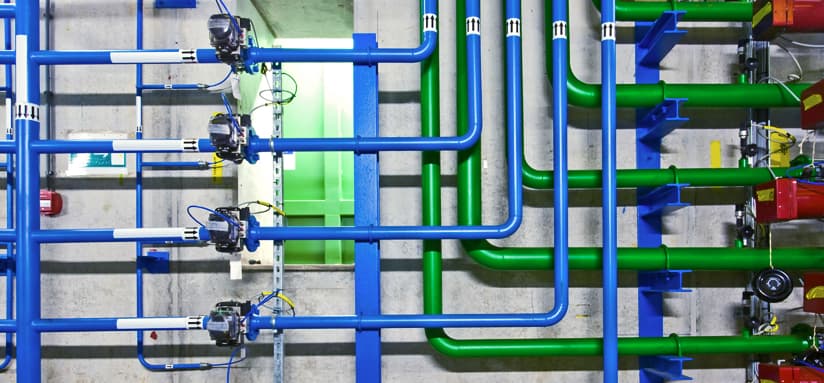

Plumbing is one of the most essential yet often overlooked components of a modern home. It powers daily comfort, hygiene, and safety by ensuring clean water supply and efficient waste removal. A well-designed plumbing system not only enhances convenience but also safeguards health and conserves natural resources. Whether you are building a new property, upgrading an old one, or maintaining your current setup, understanding plumbing systems and best practices can help you make smarter, long-lasting decisions.
The Evolution and Importance of Plumbing
Plumbing dates back thousands of years, with early civilizations using clay pipes for drainage and water transport. Modern systems have evolved dramatically, now integrating advanced materials, water-efficient technologies, and smart monitoring devices. Today, plumbing is far more than pipes and faucets; it represents a vital network of supply, drainage, heating, and water conservation systems.
The importance of plumbing cannot be overstated. It supports sanitation, prevents disease, ensures fire safety through sprinkler systems, and contributes to overall building integrity. In both residential and commercial settings, efficient plumbing saves time, energy, and water while reducing maintenance costs.
Understanding the Core Components of a Plumbing System
A plumbing system comprises two main sections: the water supply system and the drainage system. Each works in harmony to deliver clean water and dispose of wastewater efficiently.
Water Supply System
The supply system carries potable water into the property under pressure. It includes:
- Main water line: The primary connection from the municipal source or well.
- Pipes and fittings: Copper, PEX, or PVC pipes distribute water throughout the property.
- Valves and regulators: Control flow, pressure, and shut-off points during maintenance.
- Fixtures: Faucets, showers, and appliances that utilize the water supply.
Drainage System
The drainage system removes wastewater safely through gravity and venting mechanisms. It consists of:
- Drain pipes: Carry wastewater to the main sewer or septic tank.
- Traps: Prevent foul odors from entering living areas by retaining a water seal.
- Vents: Equalize air pressure to keep drains flowing smoothly.
- Sewer lines: Connect the internal drainage to municipal sewer systems.
Both systems must be installed with precision, using proper slopes, venting, and backflow prevention to avoid leaks, blockages, or contamination.
Modern Plumbing Materials: Choosing the Right Type
Selecting the right material for your plumbing system determines its longevity, performance, and safety. Modern materials are designed to withstand corrosion, temperature fluctuations, and high pressure.
- Copper: Known for durability and resistance to bacteria. Ideal for both hot and cold water lines.
- PEX (Cross-linked Polyethylene): Flexible, easy to install, and resistant to scale buildup. Excellent for retrofits and concealed installations.
- PVC (Polyvinyl Chloride): Commonly used in drainage and vent systems due to its cost-effectiveness and chemical resistance.
- CPVC (Chlorinated PVC): Handles higher temperatures than PVC, making it suitable for hot water supply.
- Galvanized Steel: Once popular but now largely replaced due to corrosion issues over time.
Each material has unique advantages, and the best choice depends on water quality, climate, and building type.
Designing a Plumbing System for Efficiency and Sustainability
Water efficiency is central to modern plumbing design. A well-planned system reduces waste, minimizes energy consumption, and ensures consistent water pressure.
Key considerations for efficient plumbing design include:
- Short pipe runs: Reduce energy use by minimizing heat loss in hot water lines.
- Zoned water distribution: Divides the home into sections to improve pressure control.
- Water-efficient fixtures: Use low-flow faucets, dual-flush toilets, and aerated showerheads to conserve water.
- Insulated pipes: Prevent heat loss and condensation, improving overall system performance.
- Leak detection systems: Smart sensors detect leaks early, preventing costly damage.
Green plumbing practices not only reduce utility costs but also align with sustainable living principles.
Common Plumbing Issues and How to Prevent Them
Even the most advanced systems are prone to occasional issues. Understanding common problems helps in early detection and maintenance.
Leaks
Leaks are often caused by corrosion, joint failure, or poor installation. Regular inspections and using quality fittings can prevent them.
Clogged Drains
Grease, hair, and debris accumulation lead to slow drainage or backups. Installing drain strainers and performing routine cleaning minimizes the risk.
Low Water Pressure
Usually caused by mineral buildup or pipe leaks. Descaling treatments and regular pipe inspections can restore flow efficiency.
Running Toilets
A faulty flapper or valve can waste hundreds of gallons of water daily. Prompt repairs ensure water conservation.
Frozen Pipes
In colder climates, uninsulated pipes may freeze and burst. Insulating exposed sections and maintaining indoor heat can prevent this damage.
Proactive maintenance and professional inspections once or twice a year keep plumbing systems functioning reliably.
Hot Water Systems: Comfort Meets Efficiency
Hot water is a fundamental part of modern living, serving kitchens, bathrooms, and laundry areas. The design and efficiency of your hot water system directly affect energy use and comfort.
Types of Hot Water Systems:
- Storage Water Heaters: Keep water heated in a tank, ready for use. Available in gas and electric models.
- Tankless (On-Demand) Heaters: Heat water instantly as it flows through the unit, saving space and energy.
- Heat Pump Water Heaters: Extract heat from air or ground to warm water, offering eco-friendly performance.
- Solar Water Heaters: Utilize solar panels to reduce reliance on fossil fuels.
When selecting a water heating system, consider household size, water usage patterns, and energy efficiency ratings.
Plumbing Codes and Standards: Why They Matter
Plumbing codes ensure that installations meet safety, performance, and sanitation standards. Compliance prevents contamination, leaks, and inefficient designs. Licensed plumbers adhere to local building codes and national standards like the Uniform Plumbing Code (UPC).
Key aspects regulated by codes include:
- Pipe sizing and material requirements
- Venting systems and air gaps
- Fixture spacing and accessibility
- Backflow prevention
- Water heater safety measures
Following these guidelines guarantees the long-term reliability and safety of your plumbing system.
Innovations in Plumbing Technology
Technological advancement has revolutionized plumbing systems, enhancing control, monitoring, and sustainability.
Smart Plumbing Devices
- Smart leak detectors send instant alerts to your phone upon detecting moisture or pressure drops.
- Automatic shut-off valves prevent flooding in case of leaks.
- Smart water heaters allow remote control of temperature and scheduling for energy savings.
Greywater Recycling Systems
These systems collect water from showers and sinks for reuse in toilets and landscaping, significantly reducing overall water consumption.
Touchless Fixtures
Sensor-activated faucets and toilets improve hygiene while conserving water.
Pressure Regulation and Filtration
Modern systems integrate pressure regulators and filtration units to protect pipes and ensure clean water delivery.
Embracing these innovations enhances both convenience and sustainability in residential and commercial plumbing.
Plumbing Maintenance: Extending the Life of Your System
Preventive maintenance is crucial for avoiding costly repairs and ensuring system longevity.
Best maintenance practices include:
- Inspect visible pipes for corrosion or leaks every few months.
- Flush water heaters annually to remove sediment buildup.
- Test shut-off valves regularly to ensure they function properly.
- Clean faucet aerators to maintain consistent water flow.
- Schedule professional drain cleaning to prevent blockages.
Homeowners who stay proactive save money and avoid disruptive plumbing emergencies.
The Role of Plumbing in Health and Safety
Beyond convenience, plumbing directly impacts health and safety. Contaminated or improperly installed systems can spread bacteria and cause illness.
Proper plumbing ensures:
- Safe drinking water: Backflow preventers and filters maintain purity.
- Sanitation: Efficient drainage prevents wastewater accumulation.
- Fire protection: Sprinkler systems rely on pressurized water lines.
- Structural safety: Leak-free systems prevent mold and foundation damage.
Maintaining plumbing integrity is essential for public health, environmental protection, and long-term property value.
FAQs
Q1: How often should a plumbing system be inspected?
At least once a year. Regular inspections identify small issues like leaks or corrosion before they escalate into major repairs.
Q2: What’s the best pipe material for long-term use?
Copper and PEX are highly durable and resist corrosion. Copper is excellent for longevity, while PEX offers flexibility for modern installations.
Q3: How can I detect hidden leaks in my home?
Monitor water bills for unexplained increases, listen for dripping sounds, and check for damp spots or mold. Smart leak detectors can identify hidden moisture quickly.
Q4: What causes water hammer, and how do I fix it?
Water hammer occurs when fast-moving water stops suddenly, creating loud banging noises. Installing air chambers or water hammer arrestors resolves the issue.
Q5: Are smart plumbing systems worth the investment?
Yes, smart plumbing enhances leak detection, optimizes water use, and reduces long-term maintenance costs, making it a valuable upgrade for any modern home.
By understanding the fundamentals and advancements of plumbing, you can design, maintain, and upgrade your water systems with confidence. A well-planned plumbing network not only provides everyday convenience but also supports sustainability, safety, and long-term property value.
Comments are closed.