
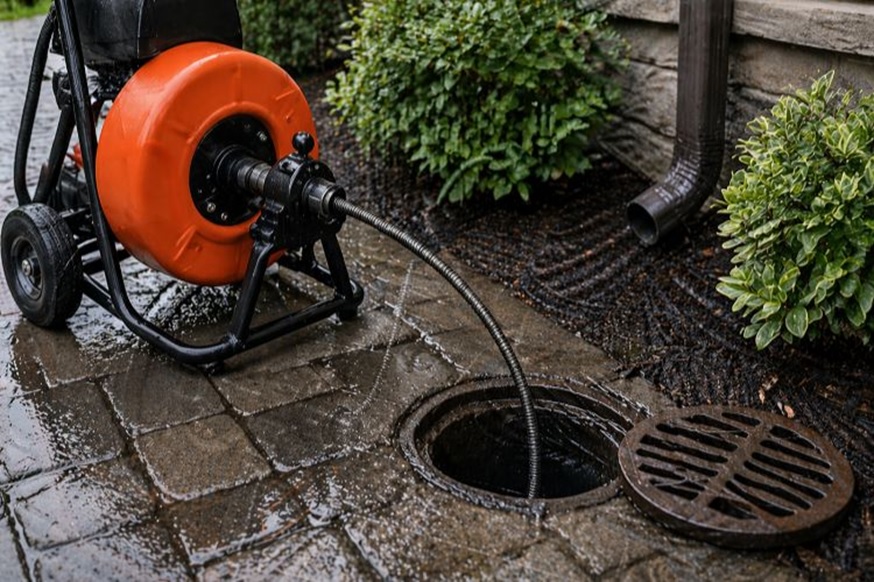

A clogged drain may seem like one simple plumbing problem, but the location of the blockage changes almost everything about the service. Hair trapped beneath a bathroom sink calls for a different approach than grease coating a kitchen line or debris lodged farther down a main drain.
Professional drain cleaning in Largo starts by narrowing down where water stops moving normally. The affected fixture, recurring symptoms, odors, gurgling sounds, and how quickly water backs up all provide clues. Finding the likely location first keeps the service focused on the section of plumbing actually causing trouble.
Start With the First Fixture That Slowed Down
Think back to where you noticed trouble first.
Was it the kitchen sink? A shower? A bathroom basin? Did several fixtures seem slow at roughly the same time?
That sequence matters.
A single slow sink often directs attention toward the branch serving that fixture. If problems begin appearing farther across the property, the investigation may move deeper into the drainage system.
Take note of how long the slowdown has been happening and whether previous clearing provided lasting improvement. Recurring trouble often gives the technician more useful information than the latest backup alone.
Bathroom Clogs Usually Bring Their Own Type of Debris
Bathroom drains deal with hair, soap residue, personal care products, and everyday buildup.
Material may collect gradually inside the trap or farther along the drainpipe. At first, the sink or shower simply takes longer to empty. Later, standing water becomes harder to ignore.
Notice which bathroom fixtures are affected.
A slow sink with a normally draining shower suggests a different blockage location from a bathroom where several fixtures are struggling.
For information about local plumbing and drainage services, review the available cleaning options before repeated slow drainage turns into a larger backup.
Kitchen Drain Problems Often Build Along the Pipe
Kitchen sinks face a different mix of material.
Grease, food residue, soap, and cooking oils may cling to the inside of the pipe. Additional debris then sticks to that coating and gradually narrows the pathway for wastewater.
The blockage may extend farther than the portion directly beneath the sink.
Largo Drain Cleaning Specialists currently lists kitchen drain cleaning for grease, food scraps, soap residue, slow sinks, foul odors, and recurring clogs.
That broader buildup explains why a kitchen drain may seem clear temporarily and then begin slowing again.
Main Drain Trouble Affects a Larger Section of the Property
A main drain receives wastewater from several smaller branch lines.
When a restriction develops there, the symptoms may spread beyond one room. Sinks, tubs, toilets, or floor drains may begin reacting to one another.
Largo Drain Cleaning Specialists notes that slow drains across the house may point toward trouble in the main line rather than a single fixture.
This is why the location of symptoms matters during drain cleaning in Largo. A technician working on one sink will approach the problem differently from a service call involving several connected fixtures.
Gurgling Gives the Blockage Another Clue
Water is not the only thing moving through drainpipes. Air also travels through the plumbing system.
When a line becomes restricted, airflow may become less normal. That sometimes produces gurgling or bubbling from nearby drains.
Pay attention to what triggers the sound.
A sink that gurgles every time another fixture drains gives more useful information than a vague report that the plumbing sounds strange.
The company’s current FAQ also identifies bubbling noises as a sign that trapped air may be struggling through partially blocked lines.
Odors May Develop Before Water Stops Moving
A drain does not need to be completely blocked before it becomes unpleasant.
Grease, food debris, stagnant water, and organic material may create odors while water still passes through the line.
Largo Drain Cleaning Specialists currently lists foul smells among common symptoms associated with buildup inside kitchen, bathroom, and sewer lines.
If the smell keeps returning after the visible drain opening is cleaned, the source may sit farther inside the pipe.
The odor itself does not identify the exact location, but it adds another detail to the service call.
Grease Creates Problems Farther Downstream
Kitchen grease may seem harmless while it is warm and liquid.
Once it travels into cooler piping, it may cling to interior surfaces and collect additional debris.
The U.S. Environmental Protection Agency identifies fats, oils, and grease as materials associated with sewer blockages. Its guidance on sanitary sewer overflows also notes that wipes and other inappropriate household materials may contribute to restrictions.
Keeping grease out of the sink reduces one common source of gradual buildup.
This matters because drain cleaning in Largo works best when the cleaning method matches what is actually inside the line.
Tree Roots Create a Different Kind of Problem
Indoor buildup is not the only source of drain trouble.
Underground sewer lines may develop openings or defects that allow roots to enter. Once inside, roots may grow through the line and collect additional debris.
The EPA identifies tree roots entering through defects or openings as another cause of sewer blockages.
A root-related restriction is very different from hair caught beneath a bathroom sink.
Recurring problems involving several fixtures may therefore lead the inspection toward the sewer line rather than another round of basic sink cleaning.
Hydrojetting Is Designed for Heavy Buildup
Some clogs are relatively compact. Others involve years of material coating the inside of a pipe.
Hydrojetting uses high-pressure water to remove grease, sludge, soap residue, and debris from drainage lines.
Largo Drain Cleaning Specialists currently lists hydrojetting for heavy buildup along with main drain and sewer line cleaning.
The method still needs to fit the condition of the plumbing.
A cleaning service should identify the likely blockage and line condition before deciding which equipment belongs in the pipe.
Storm Drains Need a Different Approach
Outdoor drainage deals with leaves, dirt, landscaping debris, and heavy rain rather than ordinary household wastewater.
A blocked storm drain may leave water pooling around a driveway, yard, or walkway after storms.
The Largo company currently lists storm drain cleaning among its services and notes that leaves, soil, and other outdoor debris may slow drainage.
Watch where standing water appears after heavy rain.
Repeated pooling around the same drain gives the service provider a clear location to inspect rather than treating the entire outdoor drainage system as one problem.
Commercial Properties Develop Their Own Trouble Spots
Restaurants, offices, retail spaces, and other commercial properties place heavier demands on drains.
Kitchen areas may deal with more grease. Restrooms see frequent use. Floor drains collect material from cleaning and everyday operations.
Those patterns create predictable trouble areas.
Largo Drain Cleaning Specialists currently provides commercial drain inspections, hydrojetting, sewer line cleaning, and service scheduling around business operations.
Tracking which drain slows first during busy periods gives the technician more useful information about where buildup may be developing.
Final Testing Should Follow the Same Drain Path
Cleaning should end with a test of the problem that started the appointment.
If a kitchen sink was slow, run water through the sink. If several fixtures were reacting together, check those related fixtures afterward.
Largo Drain Cleaning Specialists states that its residential process includes inspecting drain lines, clearing buildup, and completing final testing to confirm that water moves smoothly before the visit ends.
That final step connects the work directly to the original symptom.
A drain that still behaves differently after cleaning may need additional investigation farther along the line.
Find the Blockage Before Choosing the Cleaning Method
Every clogged drain involves restricted flow, but the restriction may sit in very different parts of the plumbing system. Hair near a bathroom fixture, grease along a kitchen line, heavy buildup in a main drain, roots in a sewer line, and debris inside an outdoor drain each create a different service situation.
Thoughtful drain cleaning in Largo follows the symptoms toward the likely blockage before deciding how the line should be cleaned.
If slow drainage, foul odors, gurgling, standing water, or recurring clogs keep returning around your property, contact Largo Drain Cleaning Specialists to have the affected lines inspected and discuss the cleaning method that fits the location and type of blockage.