
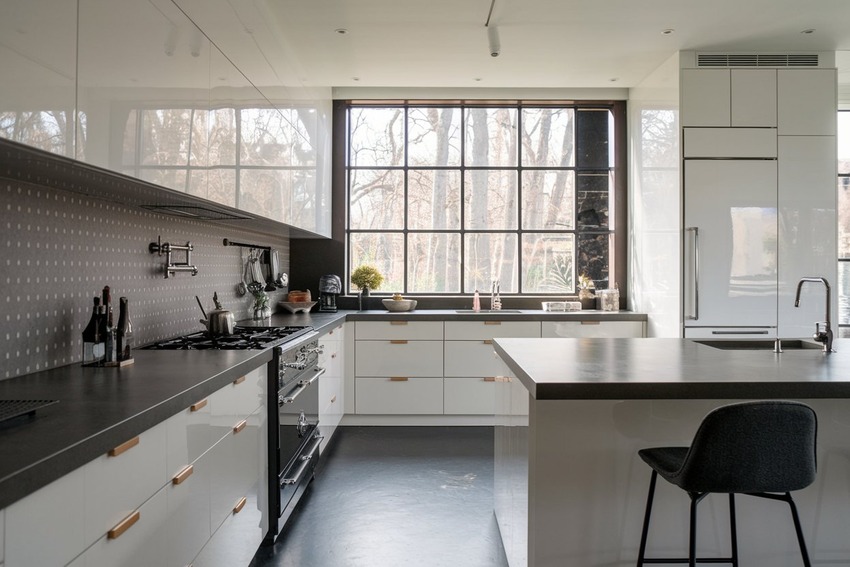

The kitchen is often described as the heart of the home. It’s where meals are prepared, conversations flow, and families gather. More than just a place for cooking, the kitchen reflects lifestyle, culture, and design preferences. A well-planned kitchen combines efficiency, beauty, and comfort, offering a perfect balance between function and aesthetics. Whether you’re remodeling, designing from scratch, or enhancing an existing setup, understanding the fundamentals of kitchen design will help you create a space that’s both timeless and practical.
The Importance of Thoughtful Kitchen Design
A functional kitchen doesn’t happen by accident. It results from strategic planning that takes into account space, movement, lighting, and materials. Good design enhances workflow, reduces clutter, and improves energy efficiency. The ultimate goal is to create a kitchen that makes cooking enjoyable and living easier.
Modern homeowners increasingly view the kitchen as a central hub for dining, entertainment, and socialization. Therefore, every detail—from cabinetry layout to lighting design—should support versatility. Whether it’s a compact apartment kitchen or an expansive open-concept space, thoughtful design decisions make a noticeable difference in daily comfort and efficiency.
Understanding the Kitchen Work Triangle
The concept of the kitchen work triangle remains foundational in design. It connects three main work zones: the sink (cleaning area), the refrigerator (storage area), and the stove (cooking area). The principle is to minimize movement between these zones, ensuring efficiency and comfort during meal prep.
- Sink placement: Ideally positioned near the dishwasher or prep space for easy cleaning.
- Refrigerator access: Should be easily reachable from both the cooking and prep zones.
- Stove location: Requires adequate counter space on both sides for convenience and safety.
While modern layouts may deviate slightly from this traditional approach, the goal remains the same—streamlined movement and practical accessibility.
Planning Your Kitchen Layout
Every successful kitchen starts with the right layout. The configuration determines traffic flow, storage, and overall usability. The most common layouts include:
L-Shaped Kitchen
Perfect for open spaces, this design offers flexibility and keeps everything within reach. It allows for easy addition of a dining table or island without feeling cramped.
U-Shaped Kitchen
Provides maximum storage and counter space, ideal for avid cooks or large households. However, it requires enough room to avoid feeling enclosed.
Galley Kitchen
A practical choice for small homes and apartments. It features two parallel counters that maximize efficiency in compact spaces.
Island Kitchen
Modern and multifunctional, islands serve as prep areas, dining zones, and social hubs. They also provide additional storage underneath.
Peninsula Kitchen
Similar to an island but attached to a wall or cabinetry, this layout creates semi-separation between cooking and dining spaces.
The right layout should suit your cooking style, available space, and household needs.
Choosing the Right Materials for Durability and Style
Kitchens face constant exposure to moisture, heat, and heavy use. Selecting durable materials ensures longevity without compromising aesthetics.
Countertops
- Quartz: Non-porous, low-maintenance, and available in a variety of finishes.
- Granite: Natural and elegant, offering durability with proper sealing.
- Marble: Luxurious but requires regular maintenance to prevent staining.
- Butcher Block: Adds warmth and natural texture, though it needs oiling to maintain condition.
Cabinetry
Cabinets define both style and functionality. Opt for solid wood or high-quality MDF for durability. Soft-close drawers, pull-out shelves, and deep drawers maximize usability.
Flooring
The kitchen floor must withstand heavy traffic, spills, and frequent cleaning.
- Porcelain tile: Resistant to stains and scratches.
- Luxury vinyl: Affordable, waterproof, and comfortable underfoot.
- Hardwood: Classic and warm but needs proper sealing.
Backsplash
A well-designed backsplash protects walls and adds character. Ceramic tiles, glass mosaics, and stainless steel are popular choices for both practicality and visual appeal.
Lighting: Setting the Mood and Functionality
Lighting plays a vital role in both safety and ambiance. Layered lighting ensures the kitchen is bright enough for tasks while maintaining a cozy atmosphere.
- Ambient lighting: General illumination using recessed lights or ceiling fixtures.
- Task lighting: Focused lighting above counters, sinks, and stovetops for precision work.
- Accent lighting: Highlights design features like open shelves, artwork, or textured walls.
- Under-cabinet lighting: Enhances visibility and adds a modern touch.
Using dimmable lights allows easy adjustment between cooking and entertaining modes.
Smart Storage Solutions for an Organized Kitchen
A clutter-free kitchen not only looks appealing but also improves functionality. Efficient storage solutions ensure that every item has a designated place.
- Pull-out pantry units for maximizing vertical space.
- Corner carousels to utilize awkward corners effectively.
- Drawer dividers for utensils and cutlery organization.
- Hanging racks for pots and pans to free up cabinet space.
- Appliance garages to conceal small appliances when not in use.
Incorporating deep drawers instead of standard cabinets makes access easier, especially for heavy cookware and bulk items.
The Role of Color and Texture in Kitchen Design
Color has a profound effect on mood and perception. Choosing the right palette can make a small kitchen appear larger or add warmth to a minimalist design.
- Neutral palettes like whites, grays, and beiges provide a timeless foundation.
- Bold colors such as navy blue, forest green, or charcoal create modern elegance when balanced with light tones.
- Wood accents add natural warmth and texture.
- Matte finishes hide fingerprints better than glossy ones, especially on cabinets.
Texture layering—such as mixing smooth countertops with textured tiles—creates depth and sophistication.
Integrating Smart Technology into the Kitchen
Technology is revolutionizing the modern kitchen, making daily tasks more efficient. Smart appliances and connected systems enhance convenience and energy management.
- Smart refrigerators with touch screens for grocery lists and temperature control.
- Voice-activated assistants for controlling lighting, timers, or appliances hands-free.
- Induction cooktops for energy-efficient, fast heating.
- Sensor-based faucets to conserve water and improve hygiene.
Integrating these technologies subtly ensures that functionality enhances design rather than dominating it.
The Rise of Sustainable Kitchen Design
Sustainability has become an essential element of modern kitchen design. Homeowners are choosing eco-friendly materials and energy-efficient systems that minimize environmental impact.
- Recycled materials such as reclaimed wood or eco-friendly composite countertops.
- Energy Star-rated appliances to reduce energy consumption.
- LED lighting for lower electricity use and longer lifespan.
- Composting stations and recycling bins for waste management.
Designing sustainably not only benefits the planet but also adds long-term value to your home.
Ergonomics and Comfort in Kitchen Design
Ergonomics focuses on designing spaces that suit human movement and posture. In the kitchen, proper ergonomics prevent strain and make cooking more enjoyable.
- Install countertops at the right height for your comfort level.
- Keep frequently used items at waist height for easy access.
- Ensure adequate toe-kick space beneath cabinets for comfortable standing.
- Arrange appliances logically—dishwasher next to the sink, microwave near prep areas, etc.
A well-designed kitchen should adapt to its users, not the other way around.
Creating a Multi-Functional Kitchen Space
Today’s kitchens are more than just cooking zones; they’re multipurpose areas for dining, working, and entertaining. Incorporating flexible elements allows your kitchen to transition effortlessly between roles.
- Add a breakfast bar or island seating for casual dining.
- Include a charging station or mini office nook for convenience.
- Use sliding partitions or glass walls to connect or separate spaces as needed.
Such design adaptability ensures that your kitchen remains relevant and functional for years to come.
FAQs
Q1: How can I make a small kitchen more functional?
Use space-saving layouts like galley or L-shaped designs, install open shelving, and opt for multifunctional furniture. Light colors and reflective surfaces can make it appear larger.
Q2: What is the most durable countertop material for heavy kitchen use?
Quartz is one of the best options due to its resistance to stains, heat, and scratches. Granite also offers excellent durability with proper sealing.
Q3: How do I improve lighting in a dim kitchen?
Layer your lighting with recessed ceiling lights, under-cabinet LEDs, and pendant lights over islands or dining zones. Reflective backsplashes can also amplify natural light.
Q4: How often should a kitchen be remodeled?
Most kitchens benefit from updates every 10 to 15 years, depending on wear and design trends. However, small upgrades like replacing hardware or lighting can refresh the space more often.
Q5: What are the key trends shaping modern kitchens?
Current trends focus on sustainable materials, matte finishes, hidden storage, and smart home integration. Minimalist aesthetics with bold accent colors are also gaining popularity.
By approaching your kitchen design with creativity, precision, and practicality, you can transform it into a space that’s both functional and inspiring. The best kitchens are not defined by size or luxury but by how well they serve the people who use them every day. Thoughtful design choices can turn even a modest kitchen into a masterpiece of efficiency, warmth, and timeless style.
Comments are closed.