
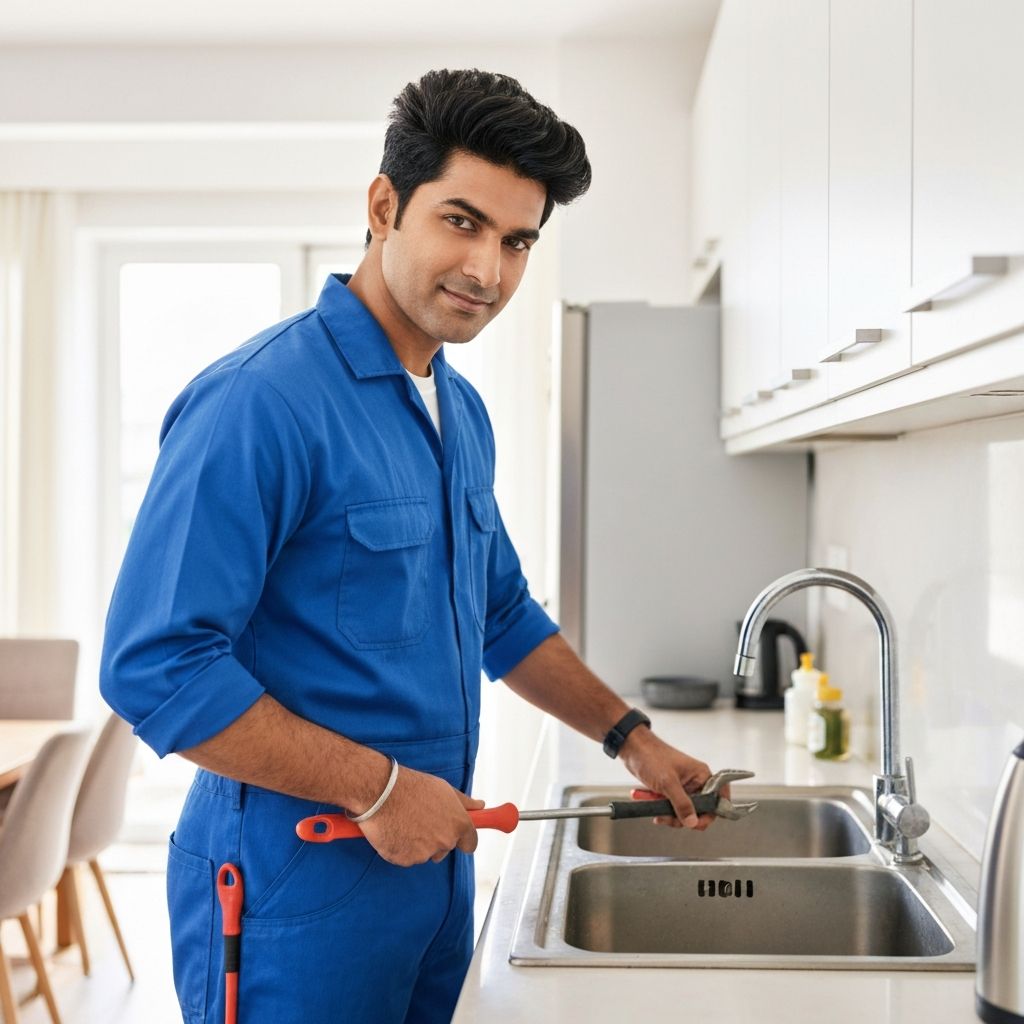

The kitchen is widely considered the heart of the home, serving as a bustling hub for meal preparation, family gatherings, and daily cleanup. Behind the aesthetic appeal of granite countertops and custom cabinetry lies the true engine of the room which is the plumbing system. A well-designed kitchen plumbing layout transforms cooking and cleaning from exhausting chores into seamless, efficient experiences. When the plumbing setup lacks adequate foresight, meal prep turns frustrating and minor annoyances quickly escalate into major water damage. Understanding the essential components of kitchen plumbing ensures that your workspace remains functional, reliable, and capable of handling heavy daily demands.
The Foundation of a Great Sink Station
The sink and faucet combination forms the absolute center of kitchen productivity. Because homeowners spend a vast majority of their kitchen time standing at the sink, investing in the right hardware dictates overall workspace ergonomics.
-
Basin Configuration and Depth: Single deep basins easily accommodate large baking sheets, roasting pans, and stockpots without splashing water onto the counters. Double basins allow for multitasking, such as rinsing vegetables on one side while soaking dishes on the other, though they limit the ability to wash oversized cookware.
-
Material Durability: Stainless steel offers exceptional heat resistance and durability, while composite granite resists scratches and stains while providing a high-end matte finish. Cast iron coated in porcelain delivers classic charm but requires careful handling to prevent chipping.
-
Ergonomic Faucet Selection: Pull-down and pull-out faucets provide maximum flexibility, allowing water to reach every corner of the basin and fill pots resting on the countertop. High-arc designs offer generous clearance for washing bulky items.
-
Integrated Spray and Touchless Features: Modern spray heads with toggle buttons for stream and sweep functions make rinsing food debris effortless. Touchless activation sensors help maintain hygiene when hands are covered in raw meat juices or dough.
Advanced Waste Management with Garbage Disposals
A reliable garbage disposal unit keeps organic kitchen waste out of household trash cans, eliminating unpleasant odors and reducing pest attractions. However, selecting and maintaining a disposal requires understanding its mechanical limits.
-
Horsepower and Motor Strength: Disposals range from one-third horsepower to one horsepower or higher. Light-use households managing soft food scraps can rely on lower units, while heavy cooking enthusiasts processing fibrous vegetables, fruit rinds, and small bones need a three-quarter or one-horsepower motor to prevent jams.
-
Continuous Feed Versus Batch Feed: Continuous feed models allow users to push waste down while the motor runs via a wall switch. Batch feed models require a special stopper to be placed in the drain opening before the motor engages, offering an extra layer of safety for households with curious children.
-
Proper Operation Habits: Running a steady stream of cold water before, during, and after operating the disposal solidifies grease and flushes ground waste smoothly through the drainage pipes. Avoid feeding potato peels, coffee grounds, eggshells, and fibrous celery stalks into the unit to prevent clogs.
Optimizing Under-Sink Drainage and Trap Design
The network of pipes beneath the kitchen sink often goes unnoticed until a leak develops or a slow drain brings cleanup to a halt. Proper configuration of traps and tailpieces ensures sanitary operation and prevents sewer gases from entering the home.
-
P-Trap Maintenance: Every kitchen sink must feature a P-trap, which is a curved section of pipe that holds a small pool of water. This water barrier blocks foul sewer gases from traveling up the drainpipe and into the kitchen.
-
Material Choices: Modern PVC and ABS plastic drainage pipes resist corrosion, simplify DIY modifications, and handle harsh cleaning products better than older brass or galvanized steel setups.
-
Preventing Sub-Sink Clogs: Keep the under-sink cabinet organized and avoid storing heavy items directly against flexible drain lines or supply hoses, as shifting objects can loosen slip-joint connections and cause hidden leaks that ruin wooden baseboards.
Integrating Auxiliary Water Features
Modern kitchens frequently demand more than a single sink faucet. Expanding the plumbing layout to include auxiliary water fixtures elevates workflow efficiency for passionate home cooks.
-
Pot Filler Faucets: Installed directly on the wall above the stove, a swing-arm pot filler allows chefs to fill heavy pots with water right where they cook, eliminating the physical strain of carrying heavy vessels across the kitchen floor.
-
Instant Hot Water Dispensers: Under-sink instant hot water tanks deliver near-boiling water on demand for making tea, blanching vegetables, or speeding up pasta preparation.
-
Dedicated Water Filtration Taps: Integrating a reverse osmosis filtration system with a dedicated mini-faucet on the countertop ensures pure, great-tasting drinking water free from chlorine, heavy metals, and mineral impurities.
Smart Plumbing Technologies for Modern Kitchens
Technology has transformed traditional kitchen plumbing into an intelligent ecosystem designed to protect homes from catastrophic water damage and optimize resource usage.
-
Automatic Leak Detection Sensors: Smart sensors placed beneath the sink and near the dishwasher monitor moisture levels continuously. If a leak is detected, these systems trigger an alarm and can automatically shut off the main water supply valve to prevent flooding.
-
Smart Faucets with Voice Activation: Integration with smart home assistants allows users to dispense exact measurements of water by voice command, streamlining baking and cooking measurements.
-
Flow Monitoring Meters: Smart whole-home water monitors track daily usage patterns, identifying hidden pipe leaks or running toilets by analyzing unusual water flow spikes in real time.
Frequently Asked Questions
Why does my garbage disposal make a loud humming sound without spinning?
A humming sound typically indicates that the motor is receiving power, but the internal impeller blades are jammed by a foreign object or food debris. Turn off the power switch immediately and use a wrench or hex key in the socket underneath the disposal unit to manually rotate the flywheel backward and forward until the obstruction clears.
Can I connect a dishwasher drain directly to my garbage disposal?
Yes, dishwashers commonly discharge wastewater through the garbage disposal unit via a specialized inlet port. When installing a new disposal, ensure that the plastic knockout plug inside the inlet nipple is completely removed before attaching the dishwasher drain hose, otherwise water will back up into the dishwasher.
What is the best way to eliminate foul odors coming from the kitchen sink drain?
Foul odors usually stem from decomposing food particles trapped inside the garbage disposal or along the interior walls of the drainage pipe. Clean the disposal by grinding ice cubes and citrus peels, followed by flushing with baking soda and hot water. Avoid pouring grease down the drain, as trapped grease absorbs food particles and generates persistent smells.
How do I prevent water hammer shock when my dishwasher valve closes?
Dishwashers feature fast-acting solenoid valves that snap shut instantly, creating a loud banging sound known as water hammer. Installing small shock-absorbing devices called water hammer arrestors on the hot water supply line near the dishwasher absorbs the hydraulic shock and protects the plumbing joints from vibrating loose.
Why is my kitchen sink draining very slowly even though the disposal is clear?
If the disposal is clear and the sink still drains slowly, the obstruction is likely located further down in the P-trap or the branch tailpiece. Sediment, grease, and soap scum accumulate inside the curved P-trap over time. Placing a bucket underneath, unscrewing the slip nuts, and cleaning out the trap manually usually resolves the issue.
Is it acceptable to use chemical drain cleaners on kitchen sinks?
Chemical drain cleaners are generally discouraged for kitchen sinks, especially if the home features a garbage disposal. The harsh chemicals can splash back out of the disposal during application, corrode internal metal components, and damage rubber seals. Mechanical snaking or manual removal of the P-trap is a safer and more effective alternative.
How often should under-sink plumbing connections be inspected?
Homeowners should visually inspect under-sink plumbing connections at least twice a year. Look for signs of white mineral crust, damp wood on the cabinet floor, rusted metal clamps, or slow drips. Catching a loose slip-joint connection early prevents structural water damage and costly cabinet replacements.
Comments are closed.